Acts of Citizenship
Synopsis
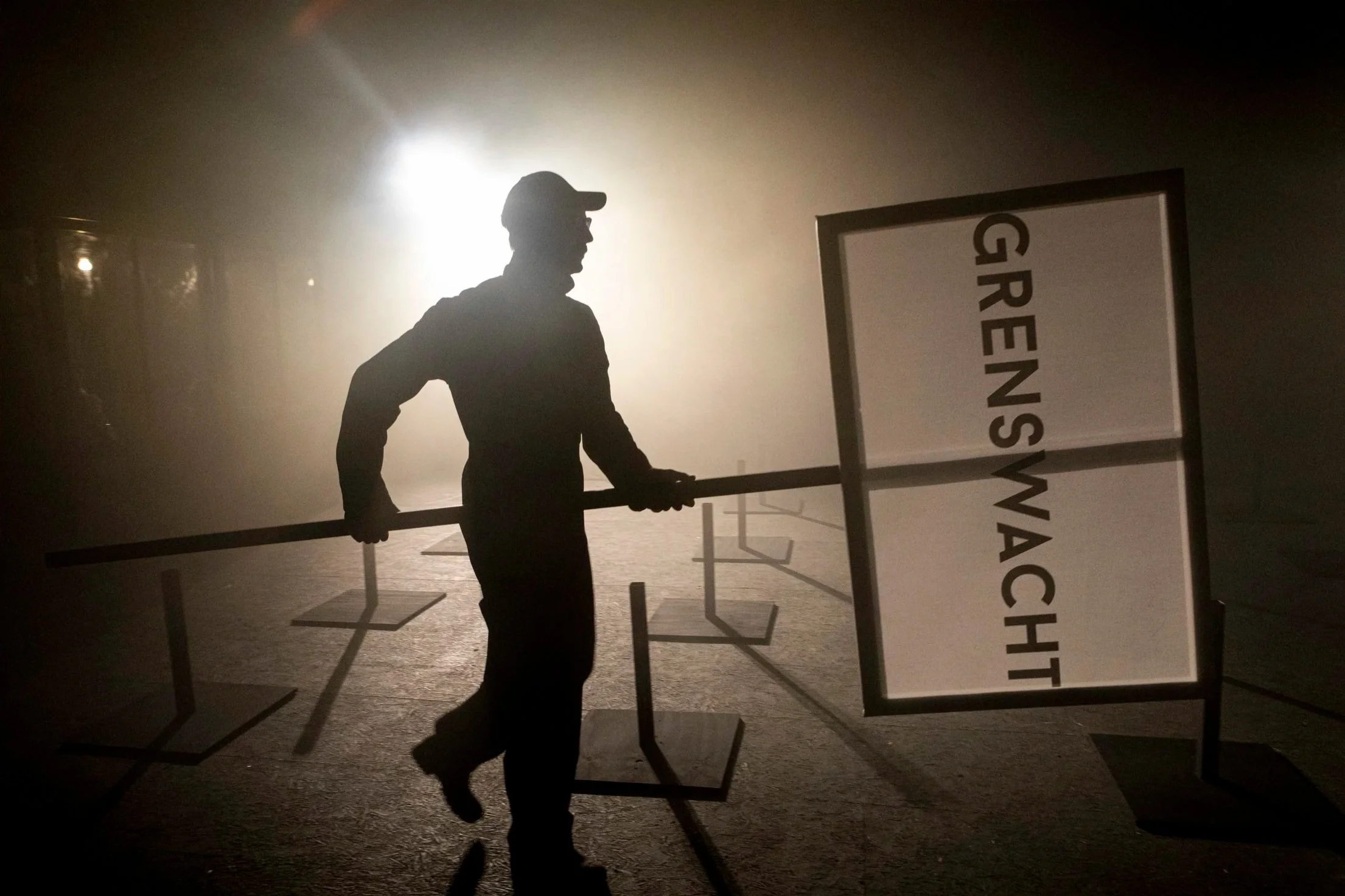
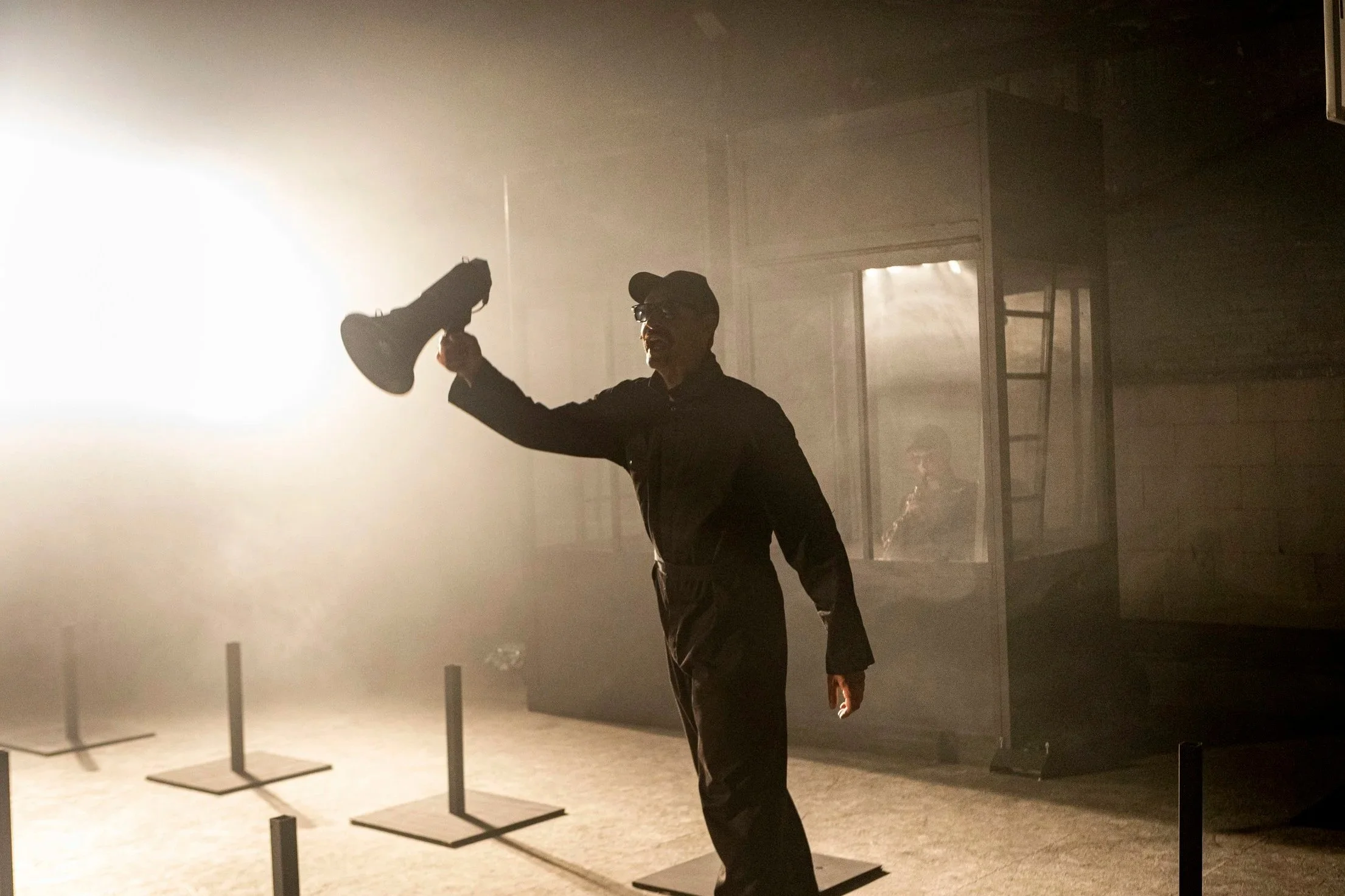
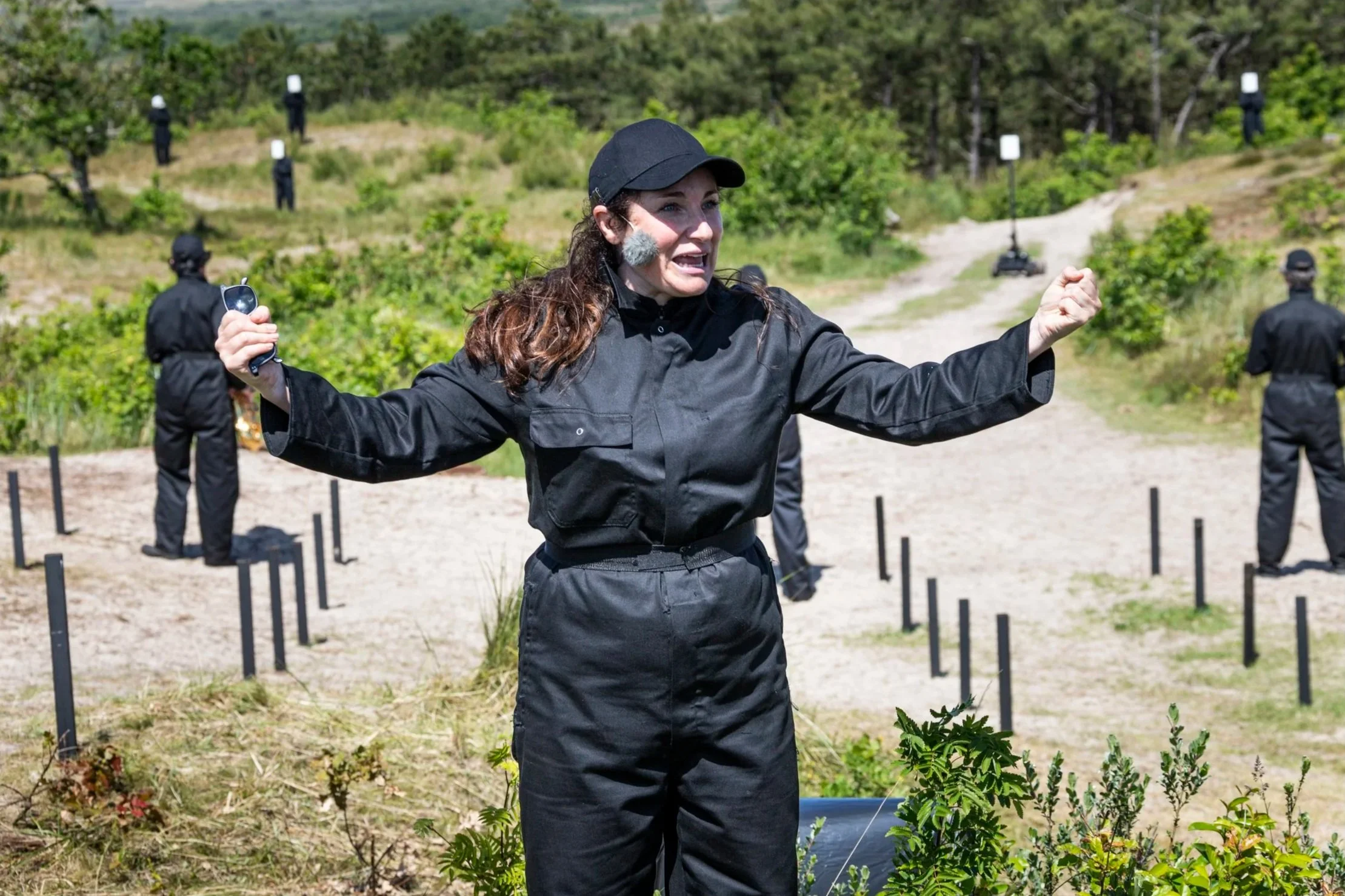
Via Berlin presents this large-scale music theatre production, combining performance with innovative scientific research, in co-production with the Berlage Saxophone Quartet and the University of Amsterdam.A highly topical production about the complexities of responsibility and guilt, and about how even well-intentioned actions can have unintended and harmful consequences.
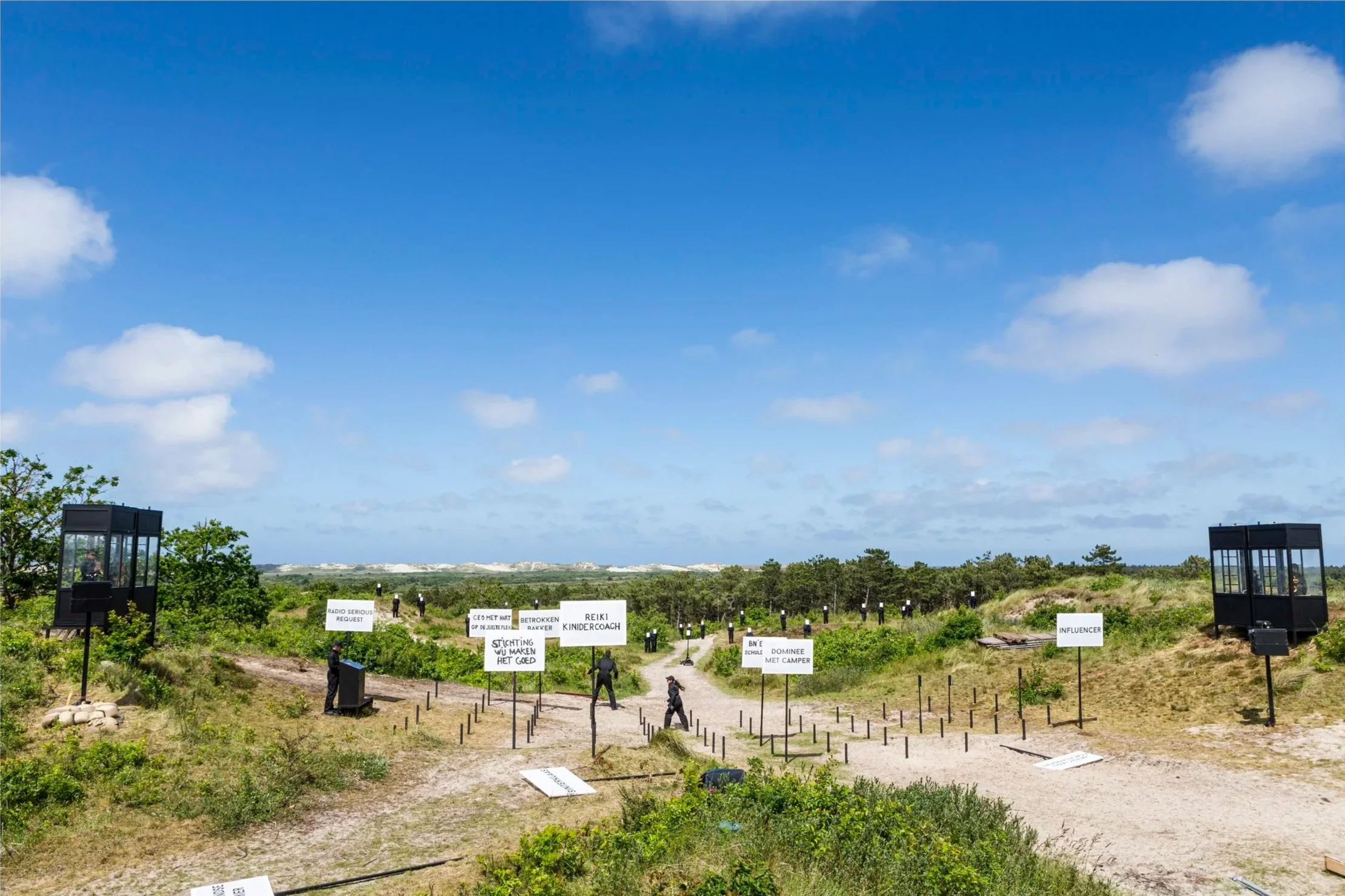
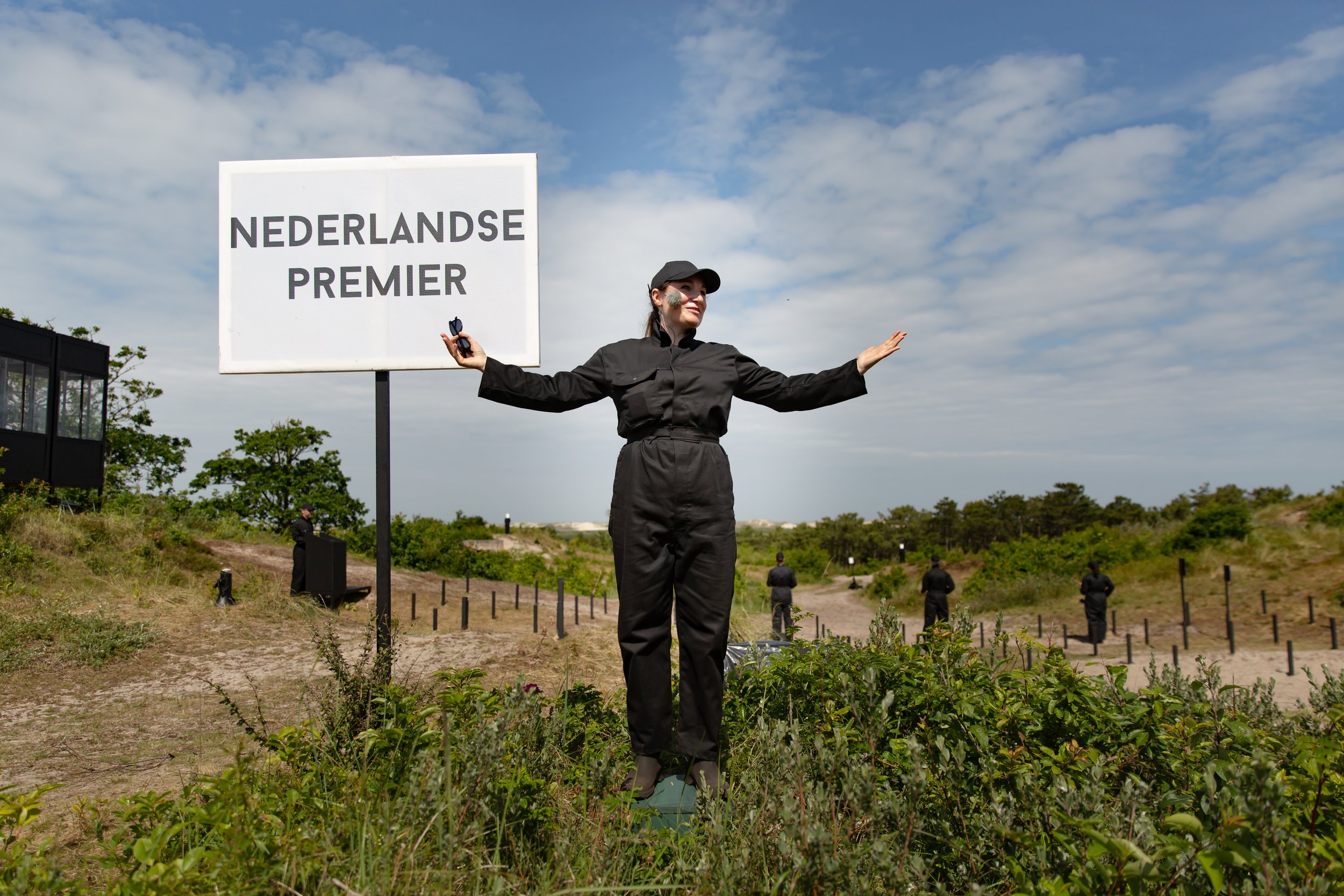
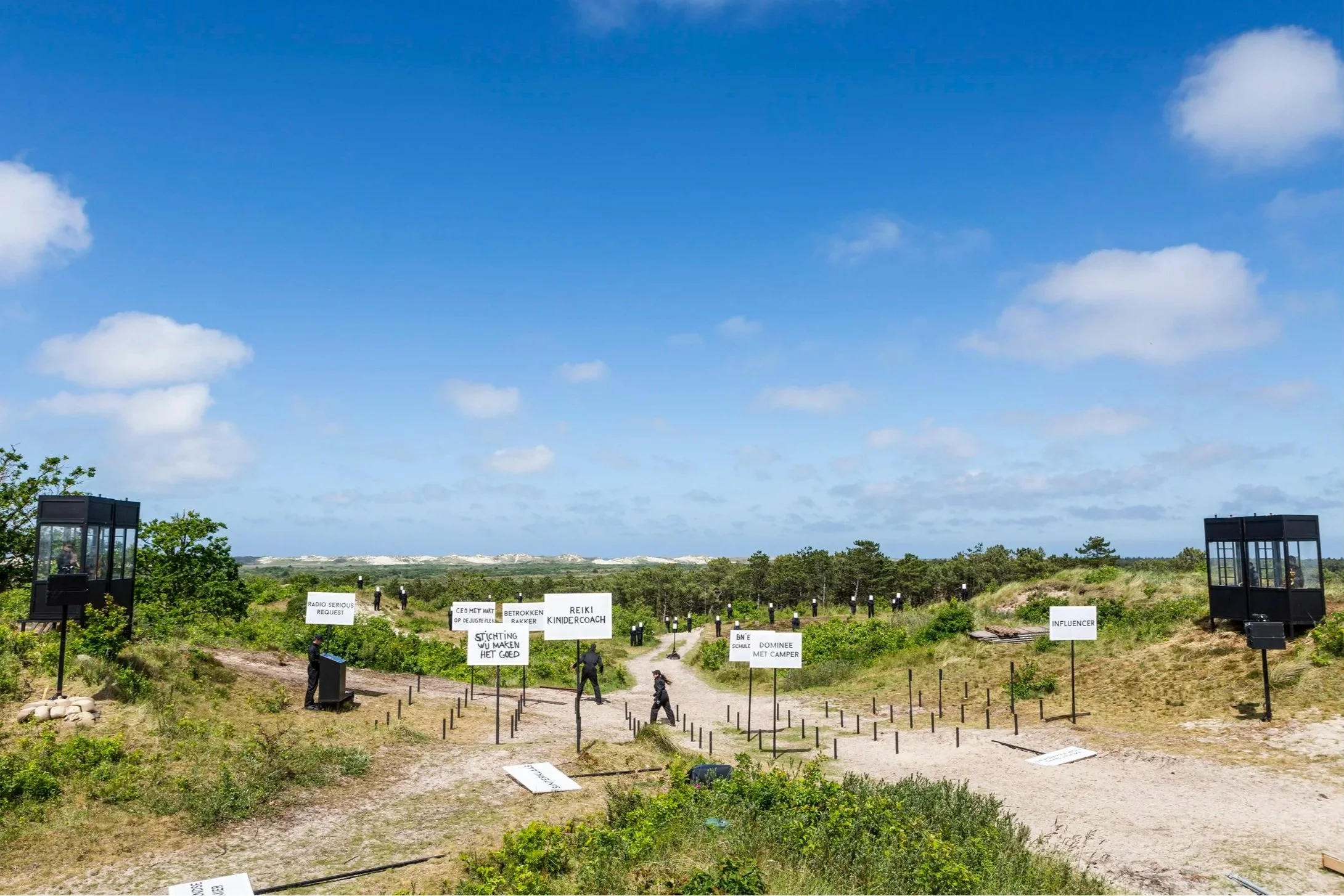
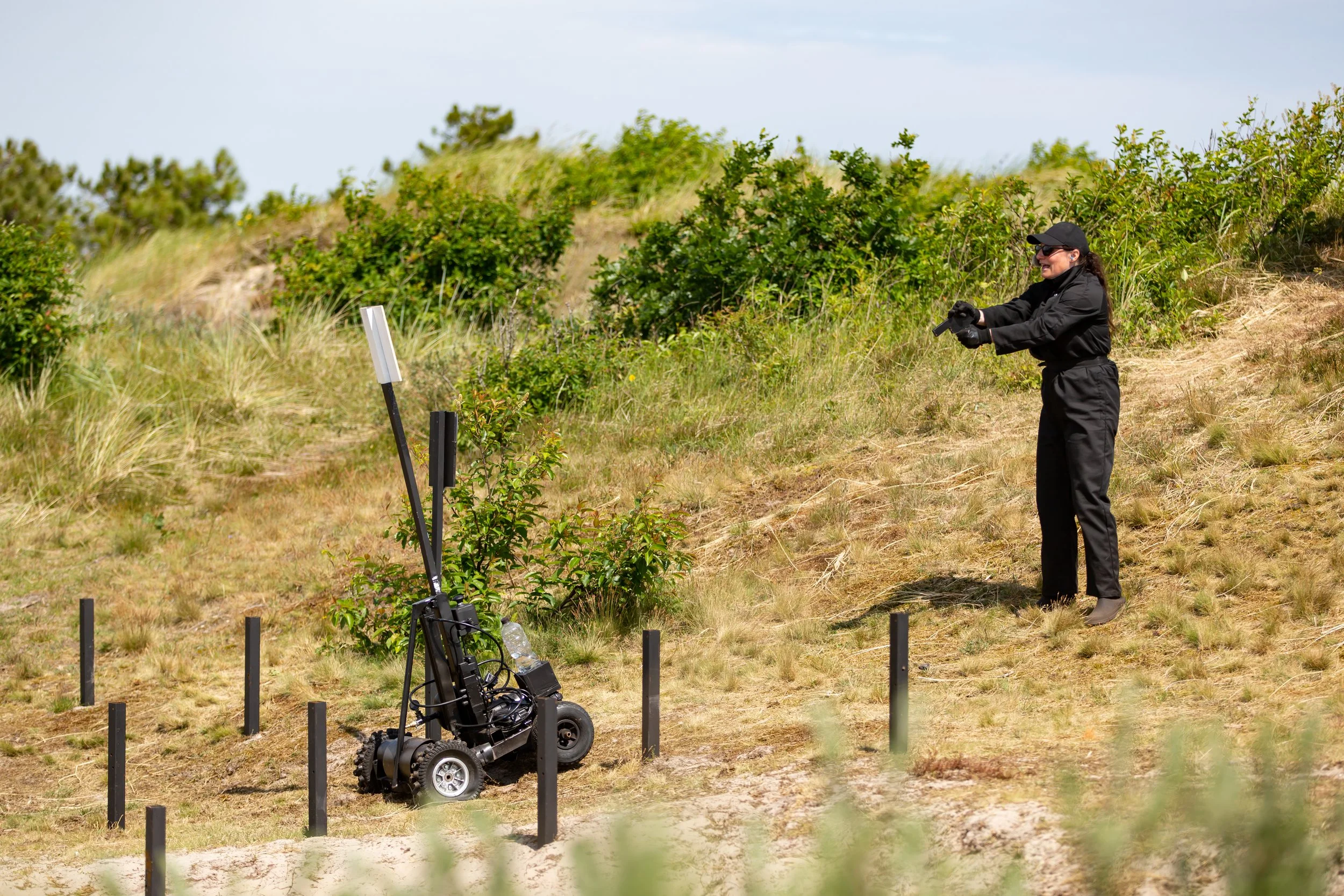
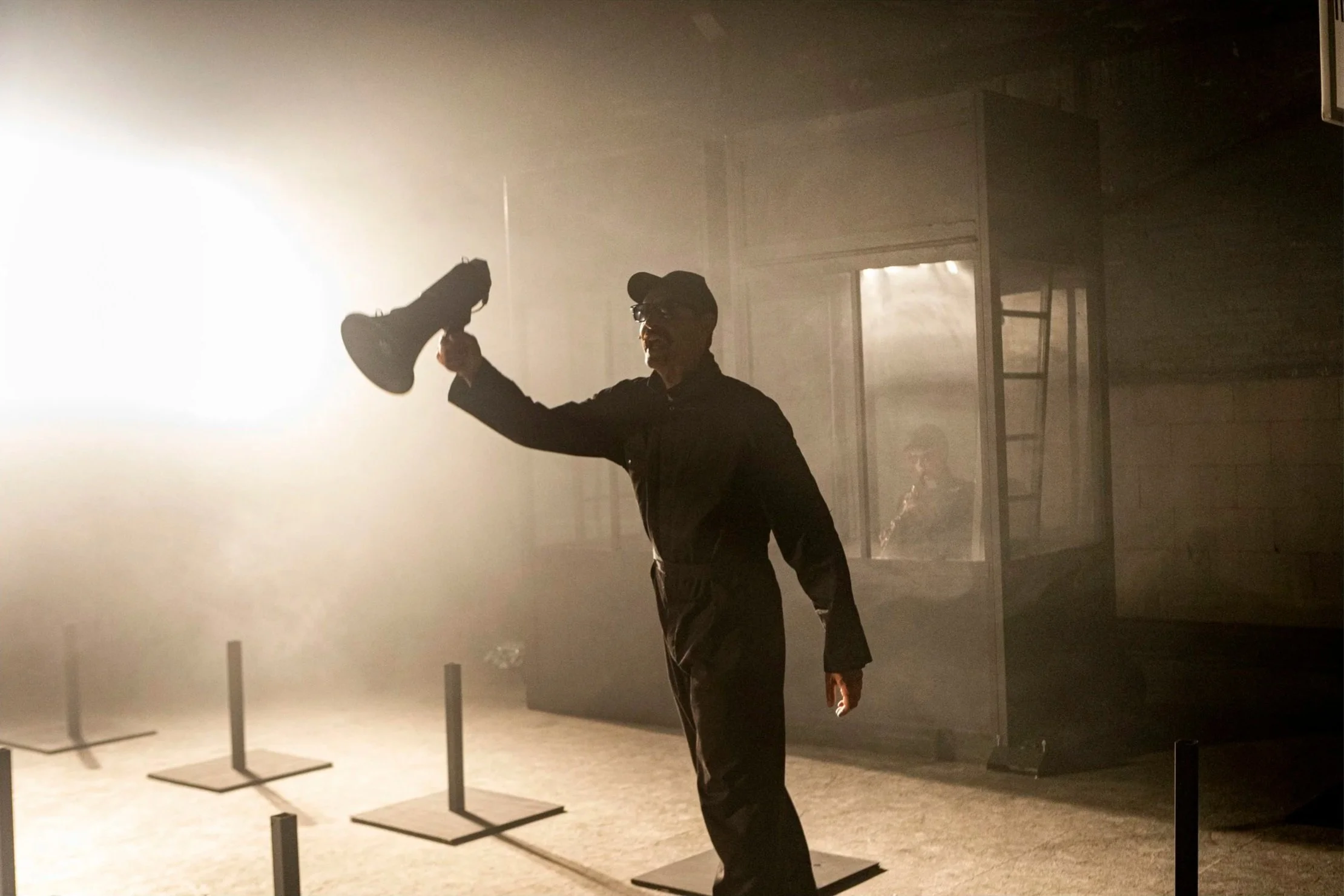
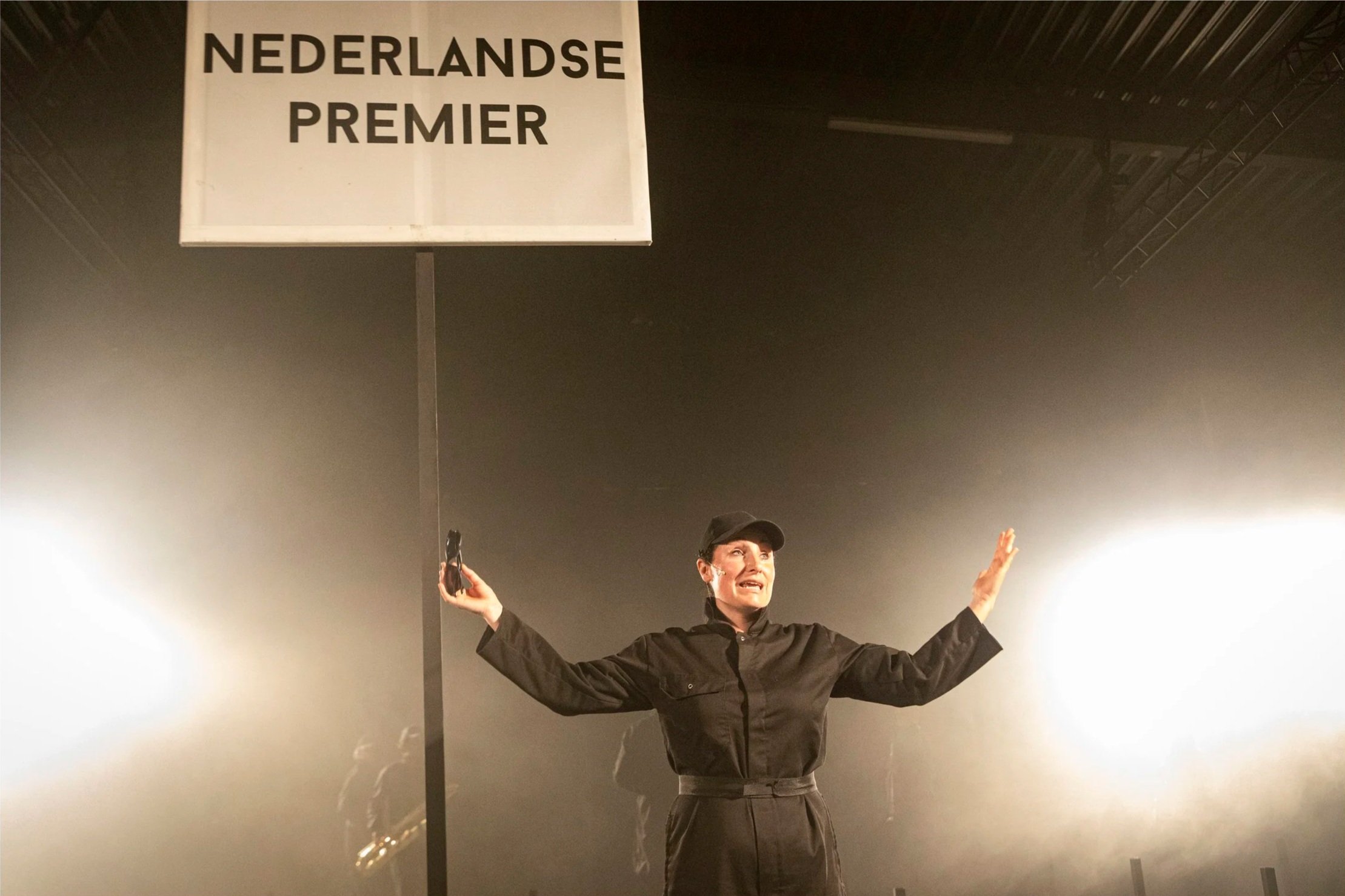
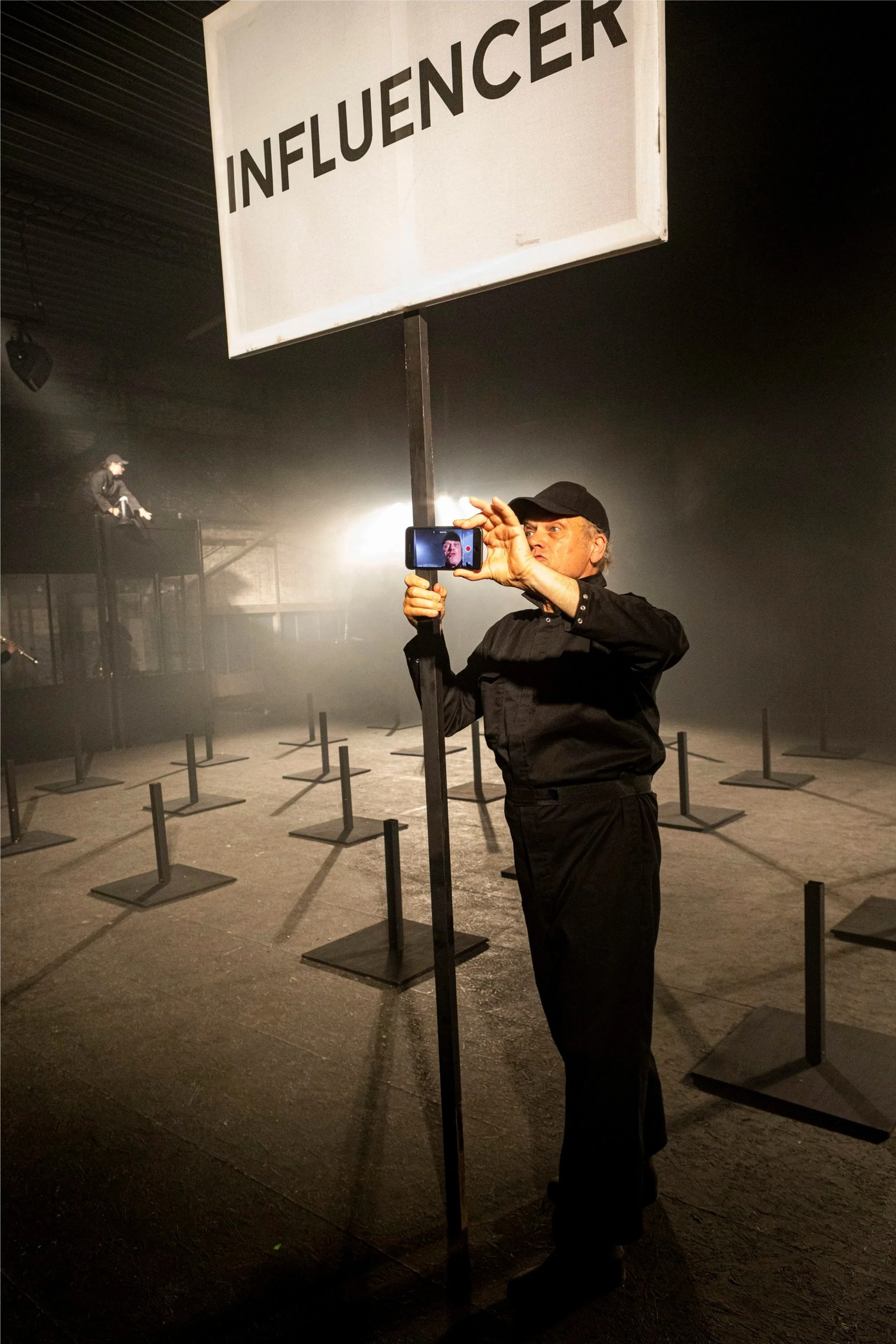
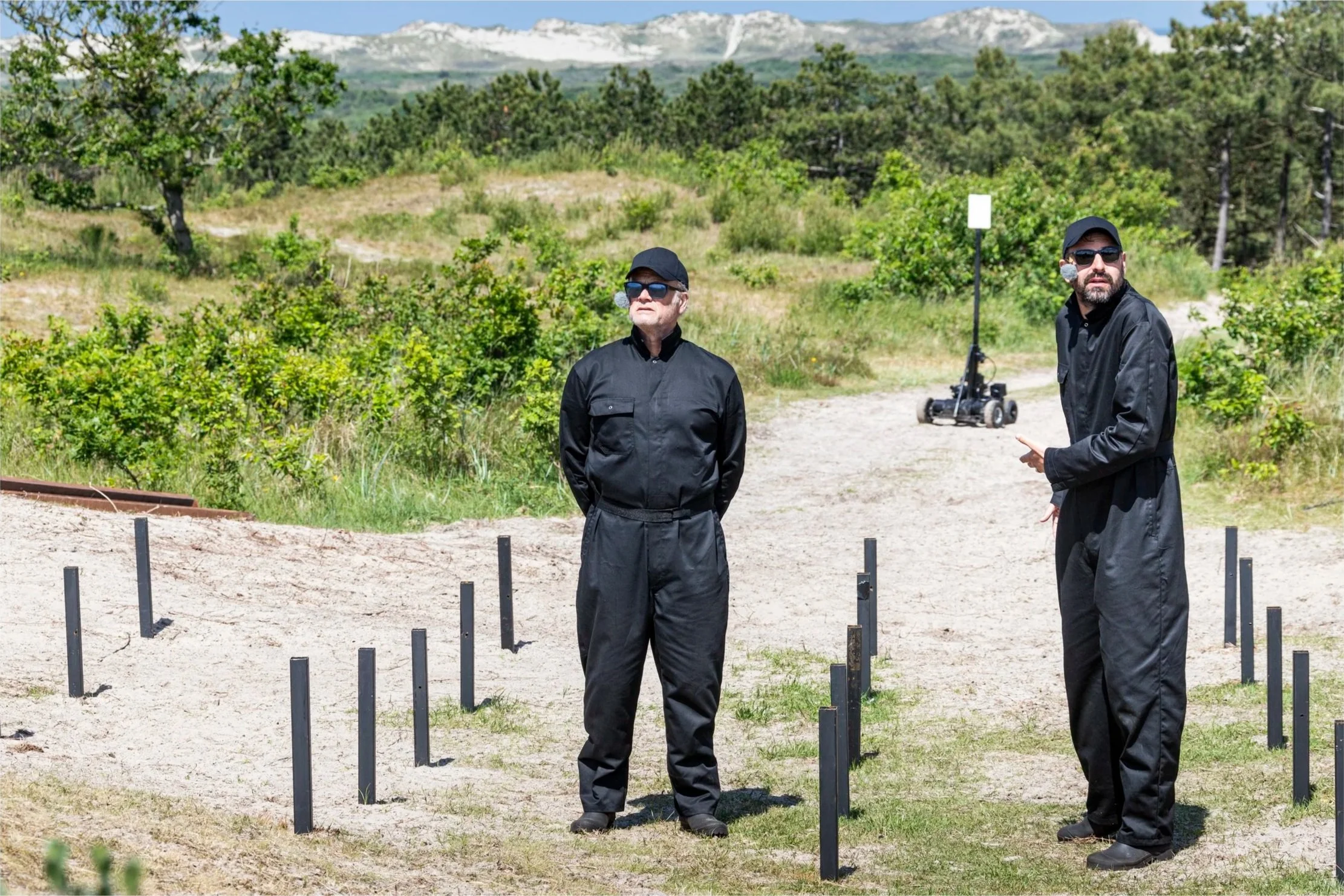
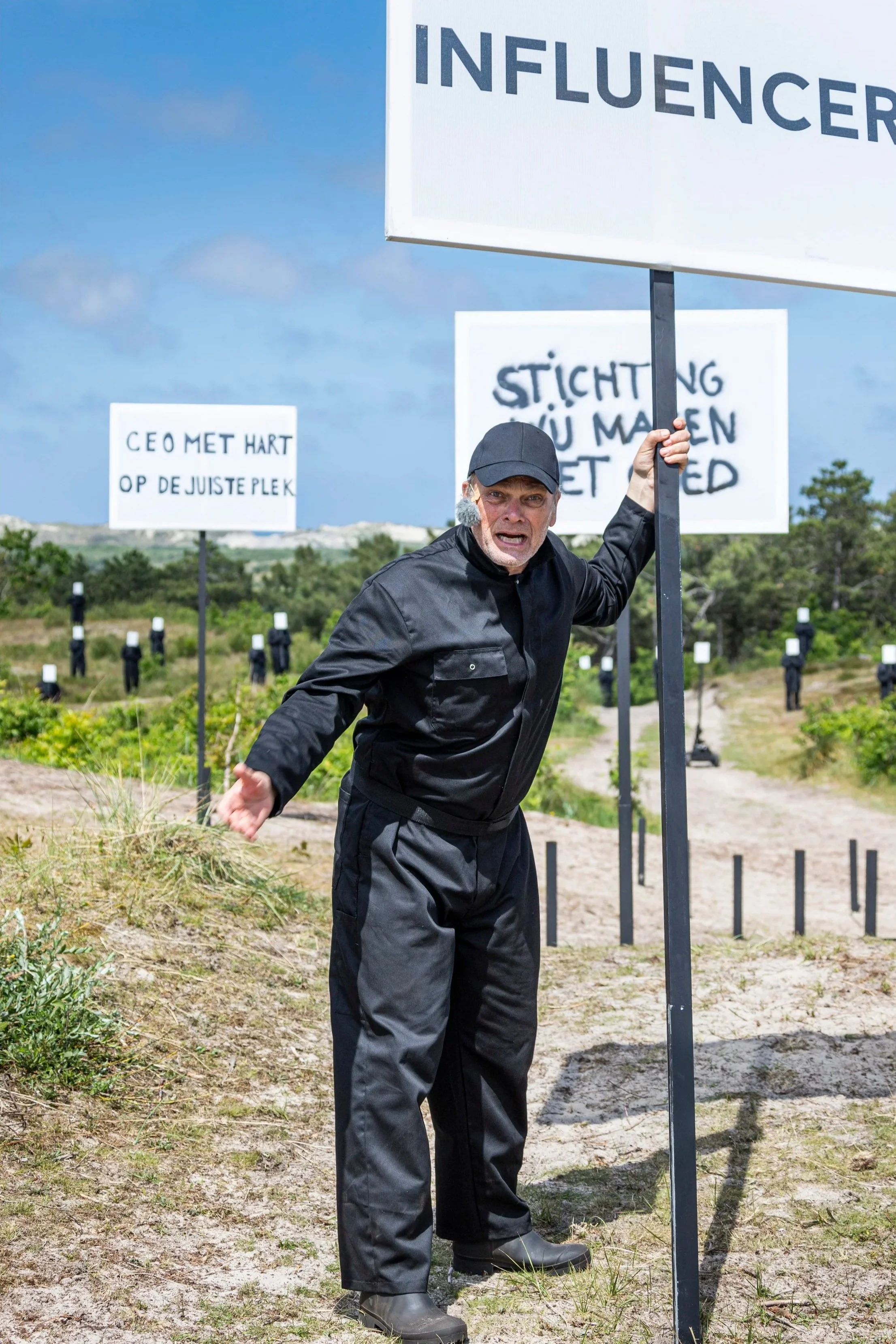
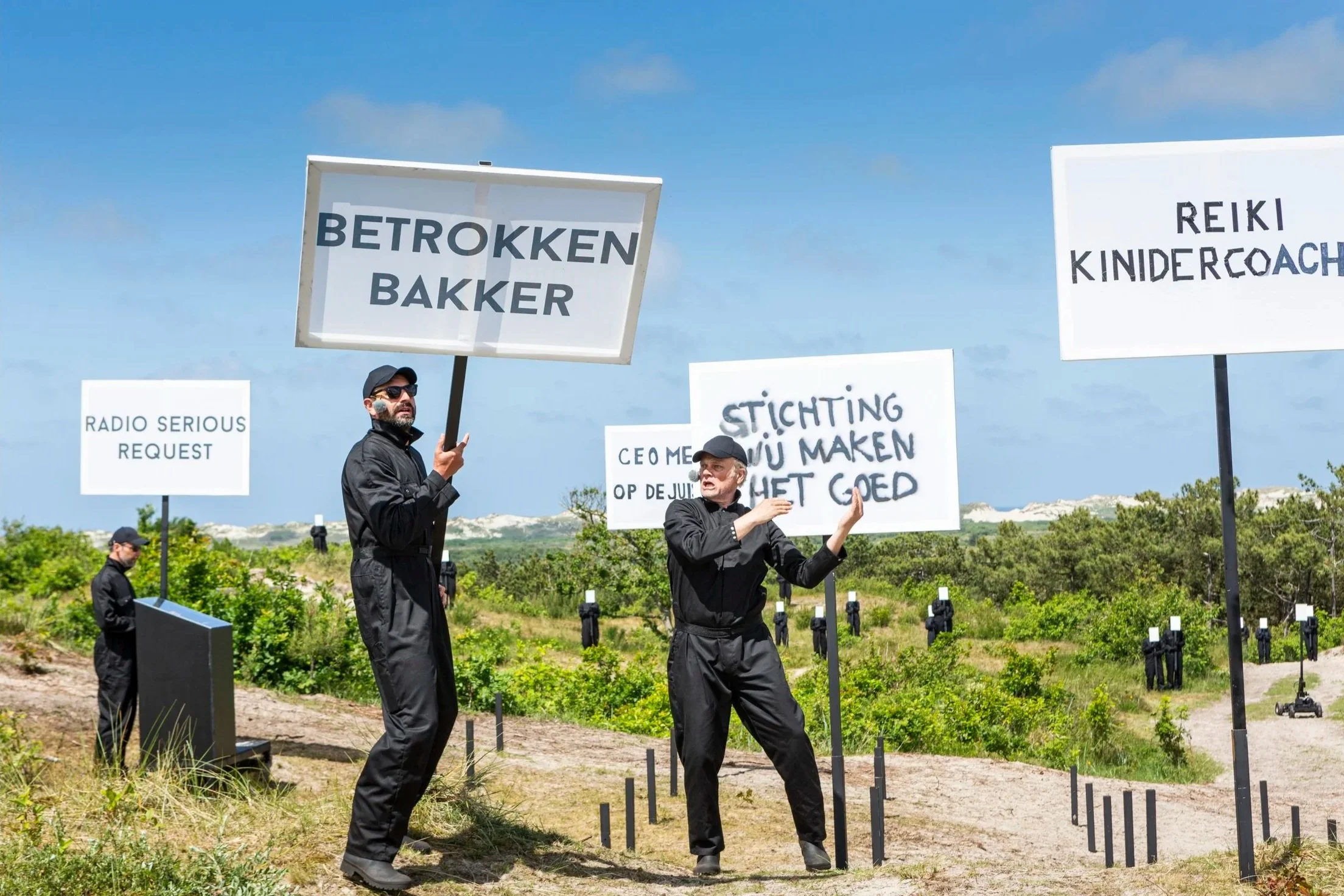
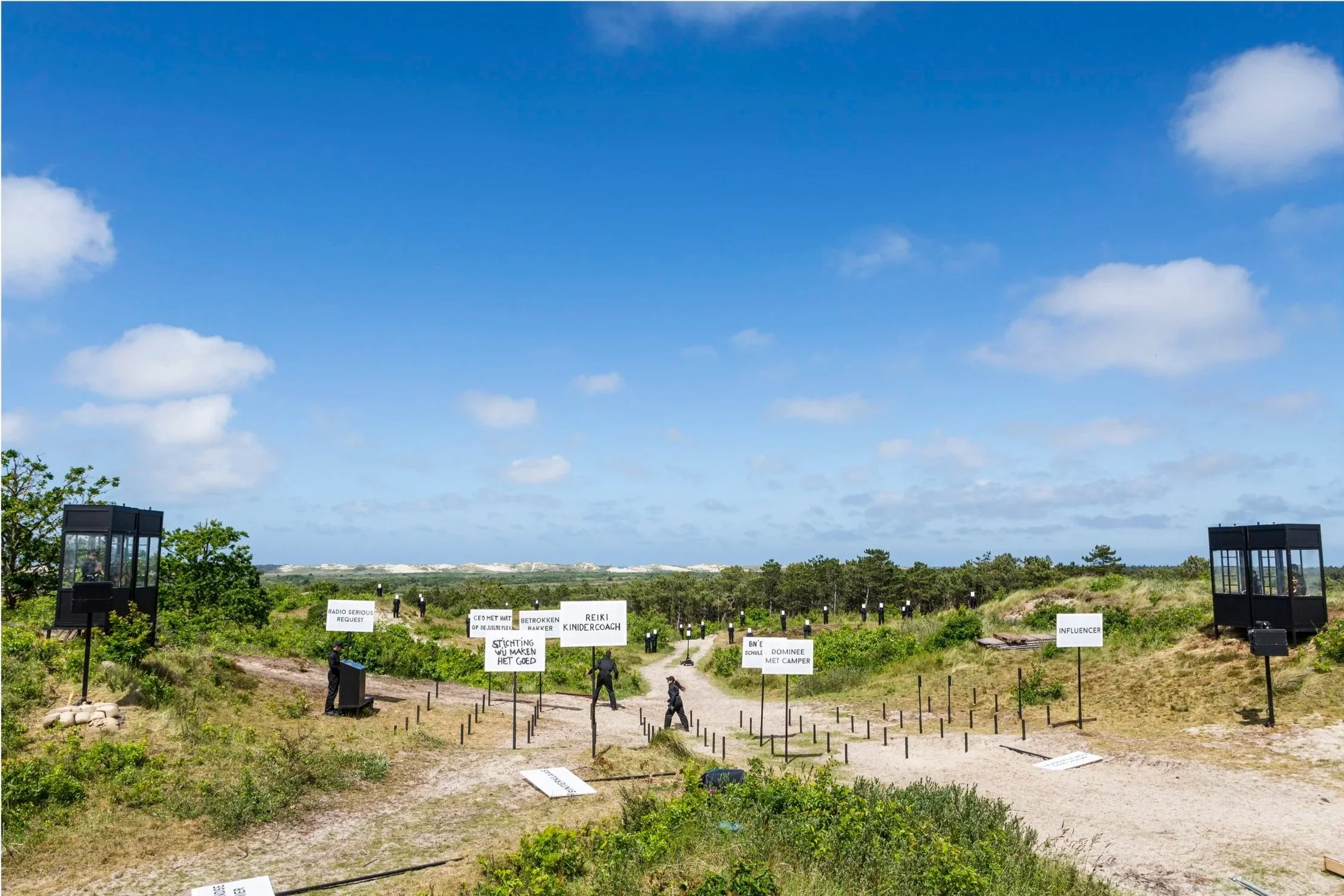
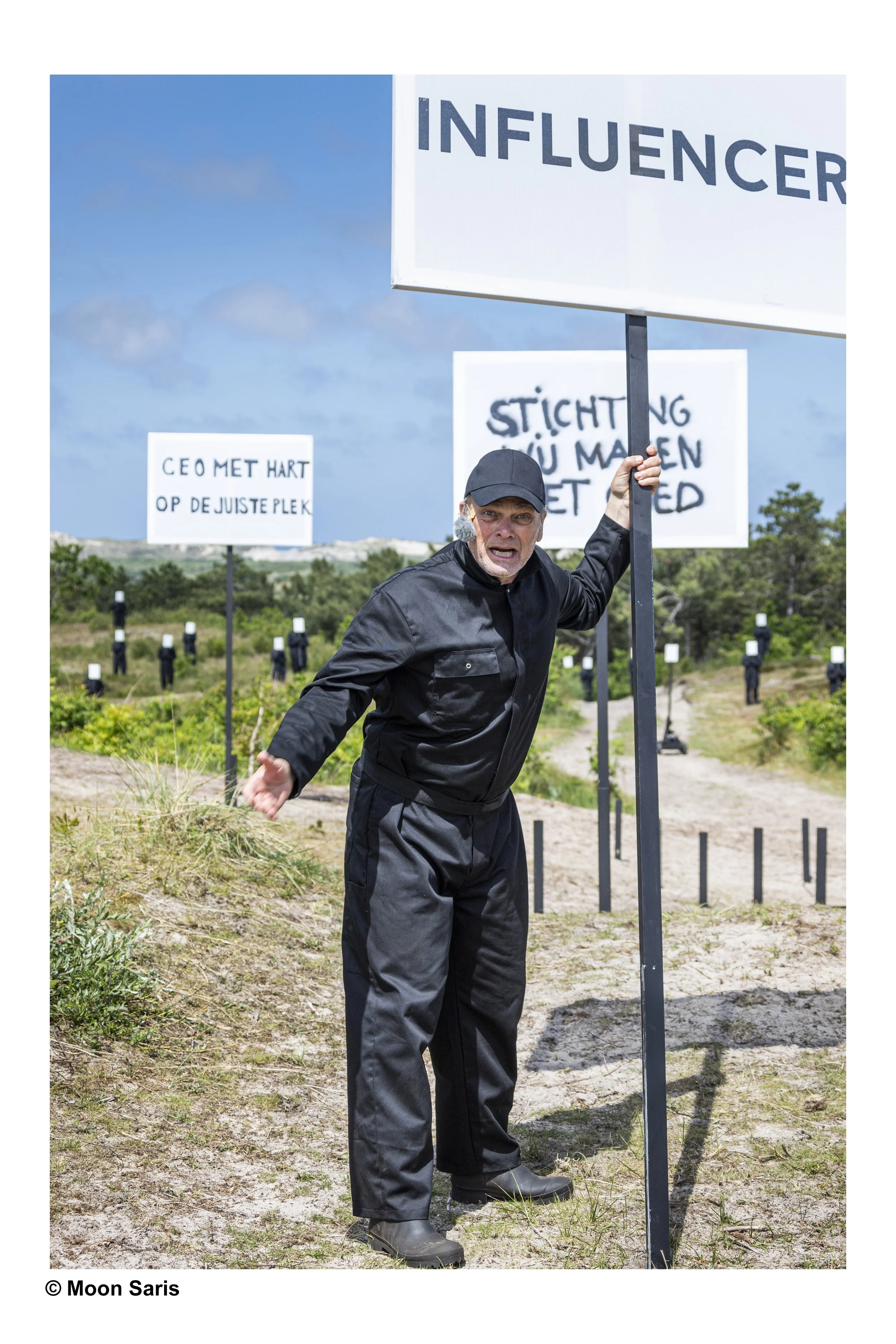
At a border, a group of border guards have one clear order: let no one through. But as the situation on the other side of the border becomes increasingly desperate, doubts begin to arise about the orders they are expected to follow. When aid workers, influencers and politicians, all with the best of intentions, begin to involve themselves in the situation, the border guards become entangled in conflicts of loyalty, bureaucratic red tape, political statements and humanitarian concerns.

What is the right thing to do? To intervene or not to intervene? That is the moral question — but those who truly try to make a difference seem unable to emerge unscathed.

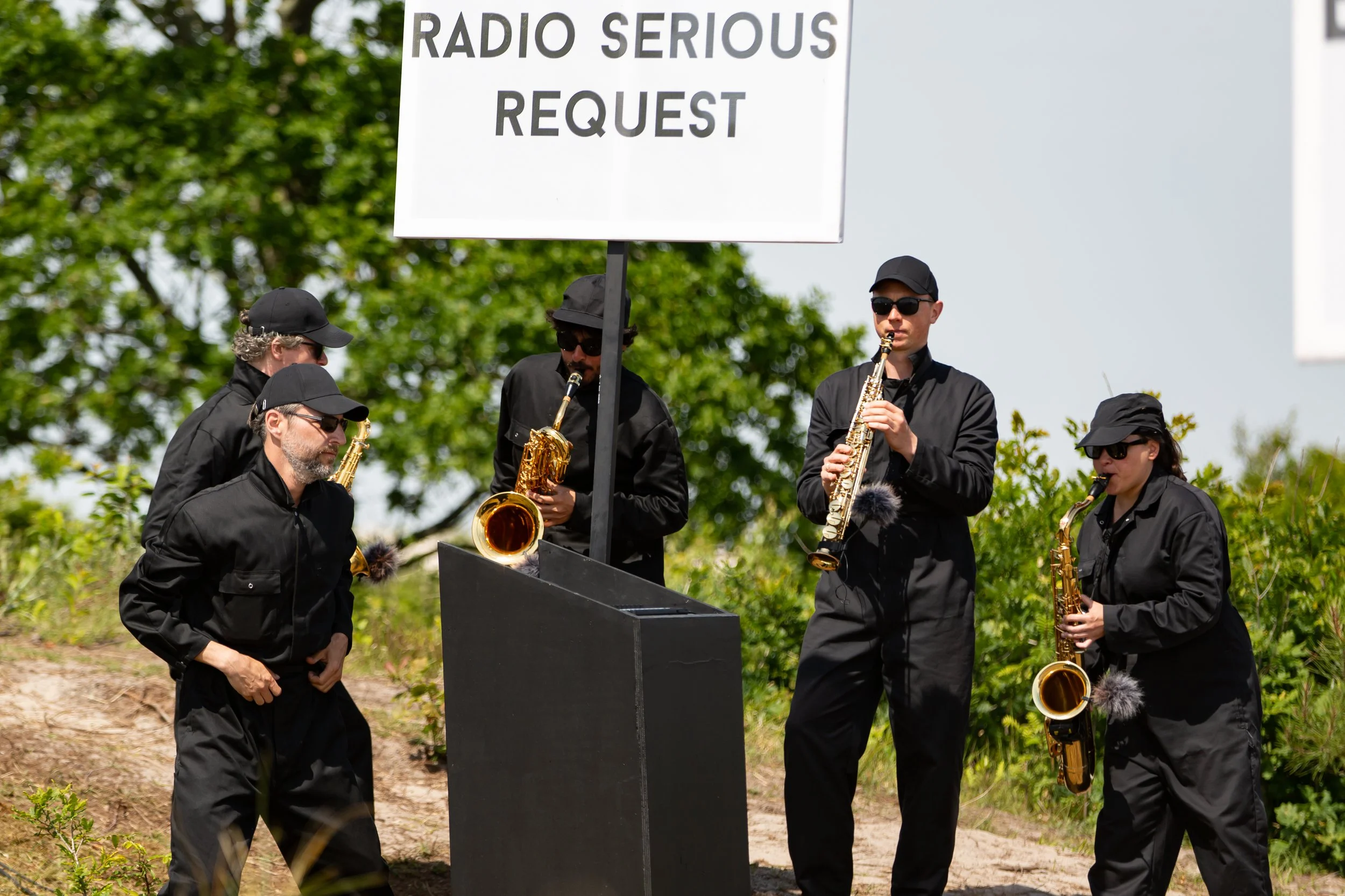
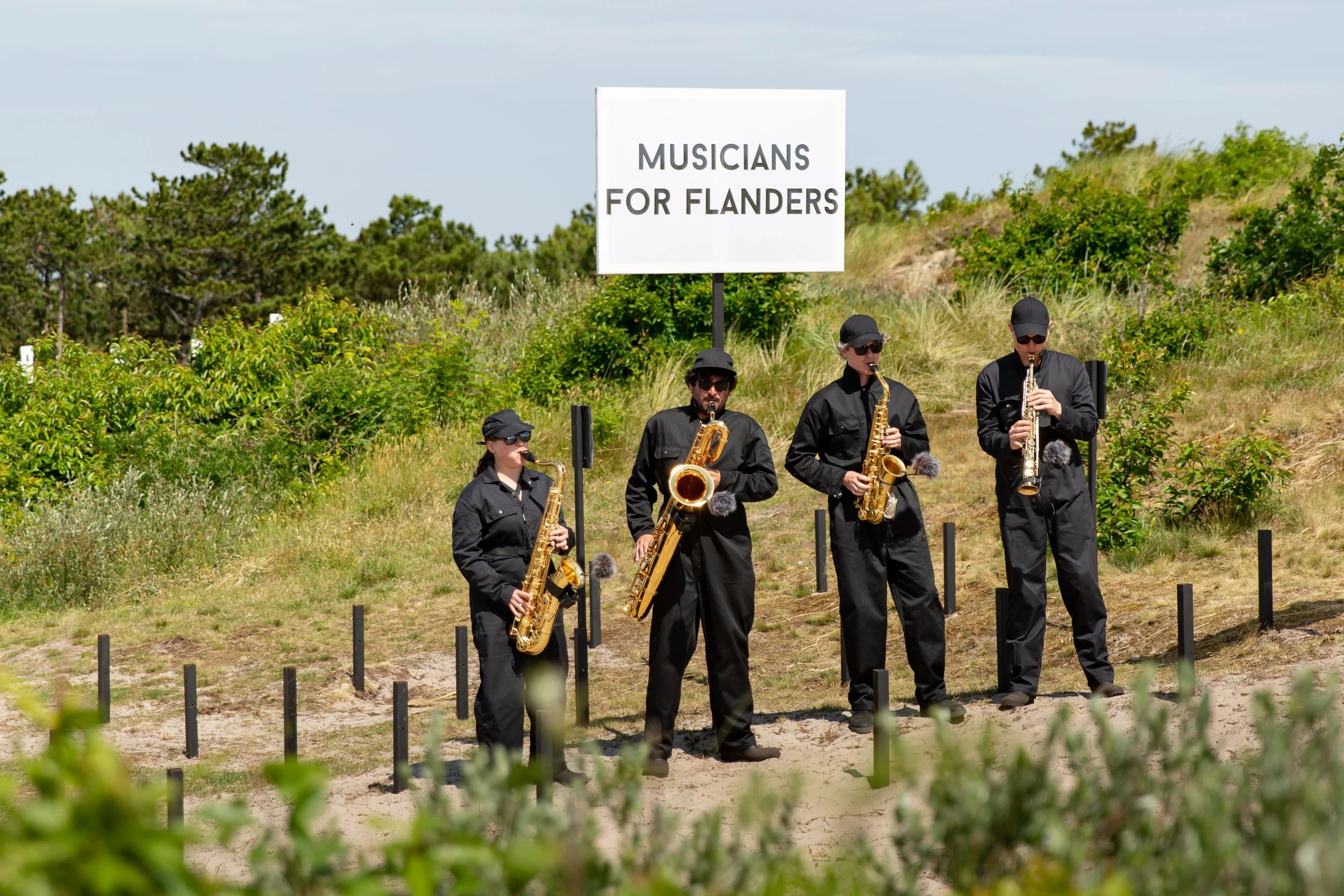
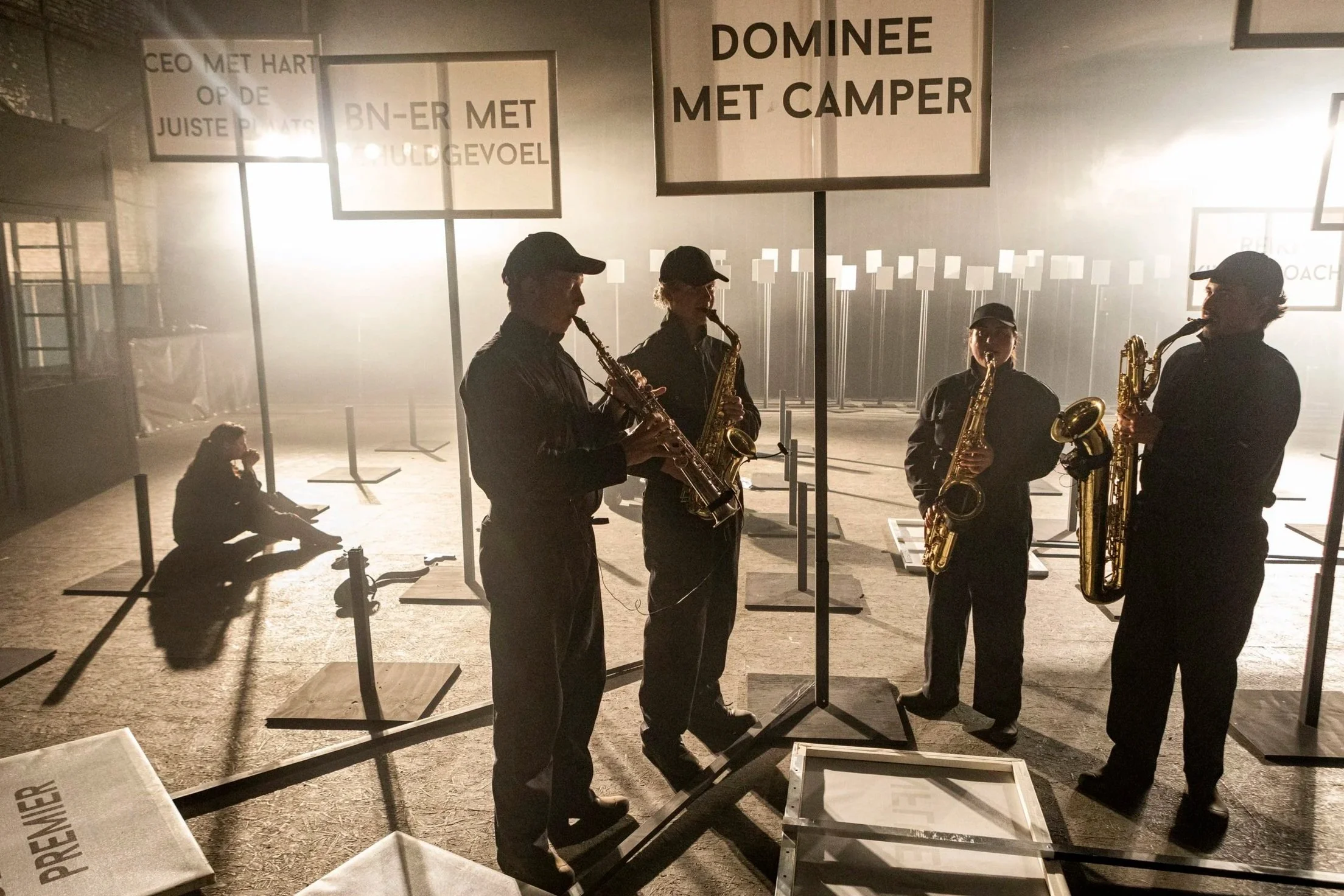
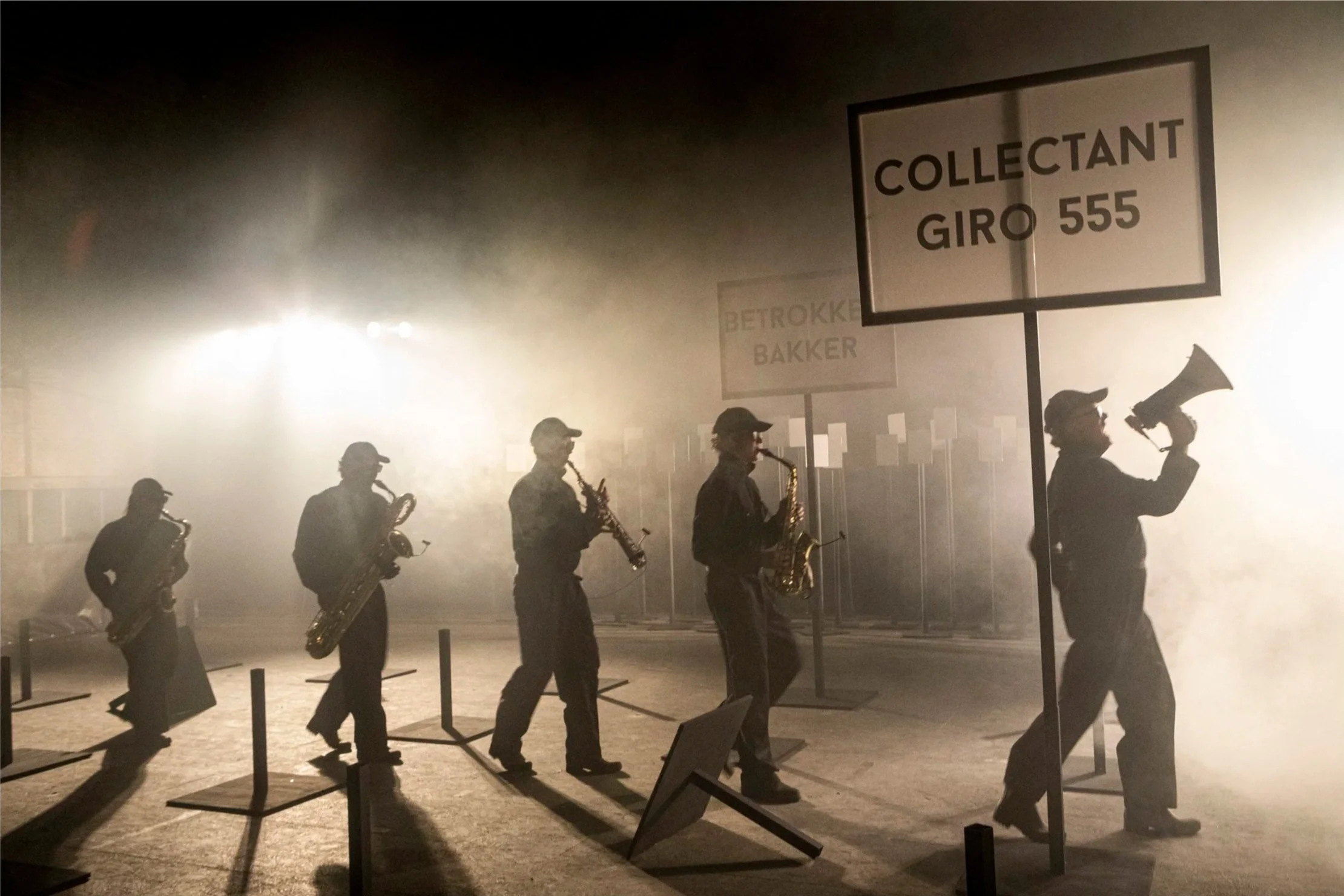
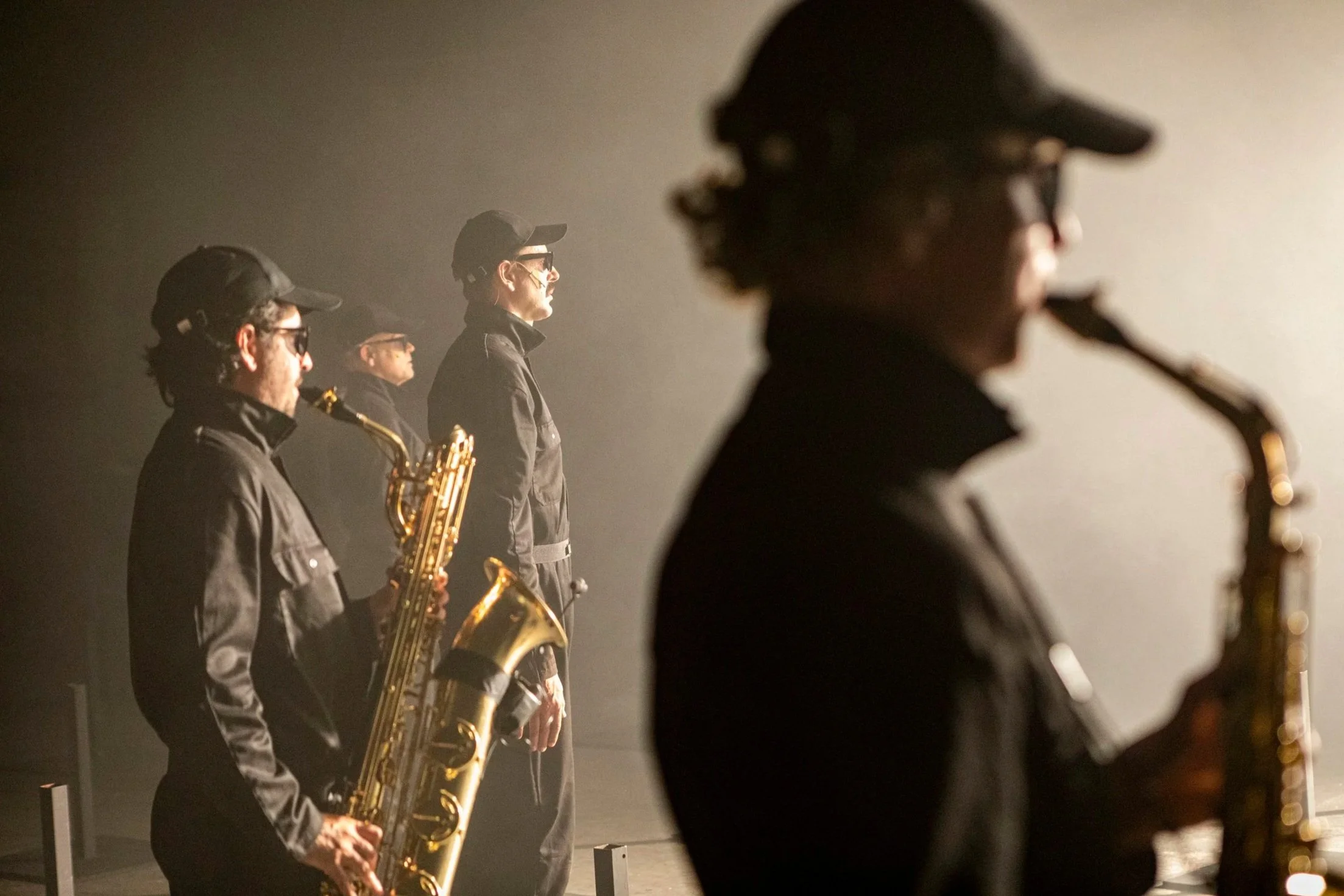
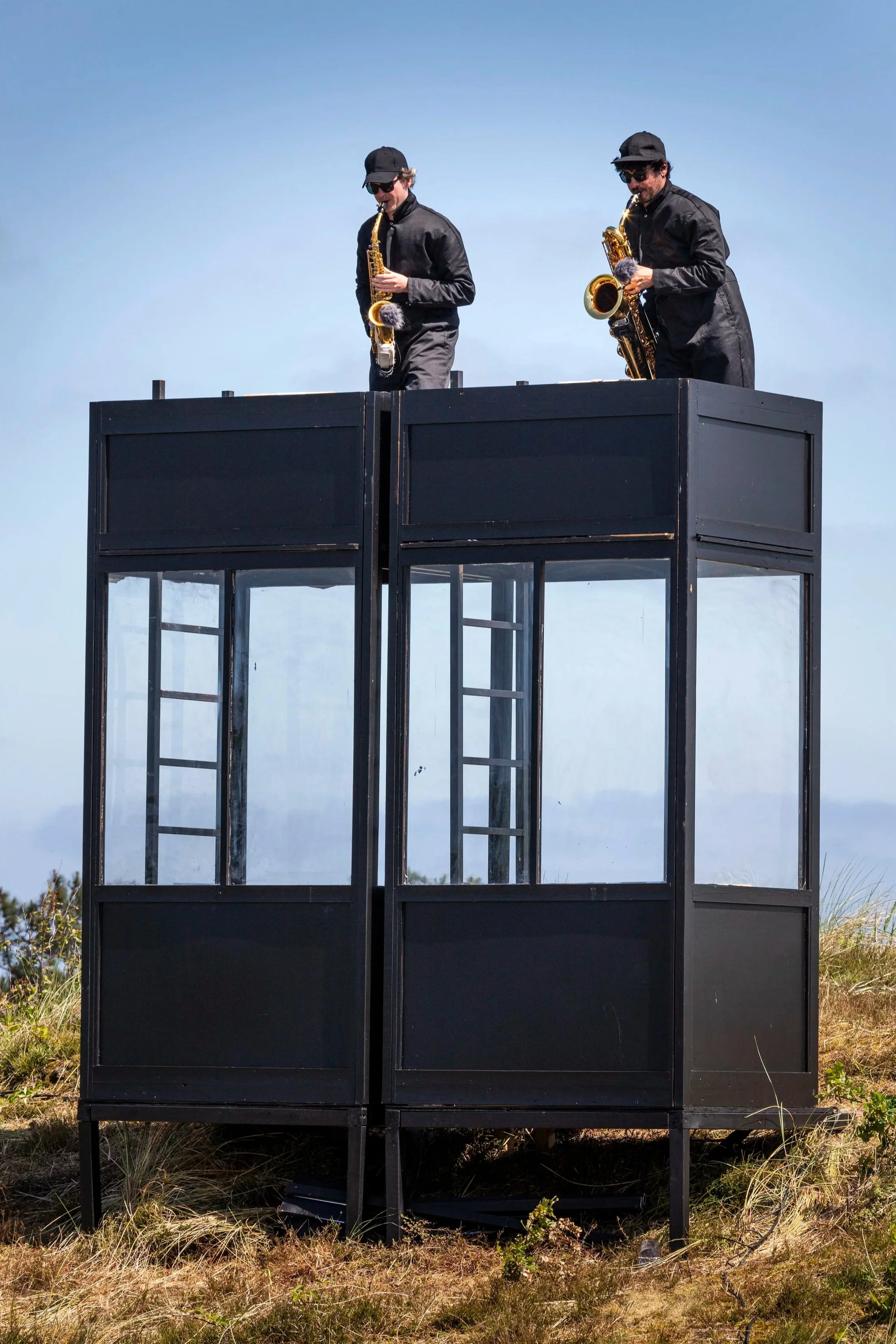
Sharp, confronting texts are interwoven with beautiful and moving classical sounds performed by the outstanding musicians of the Berlage Saxophone Quartet, propelled by a powerful soundtrack of live electronics.
Premiered at the International Oerol theater festival followed by performances at Festival Over t IJ and a theater tour in 2022.
Reviews
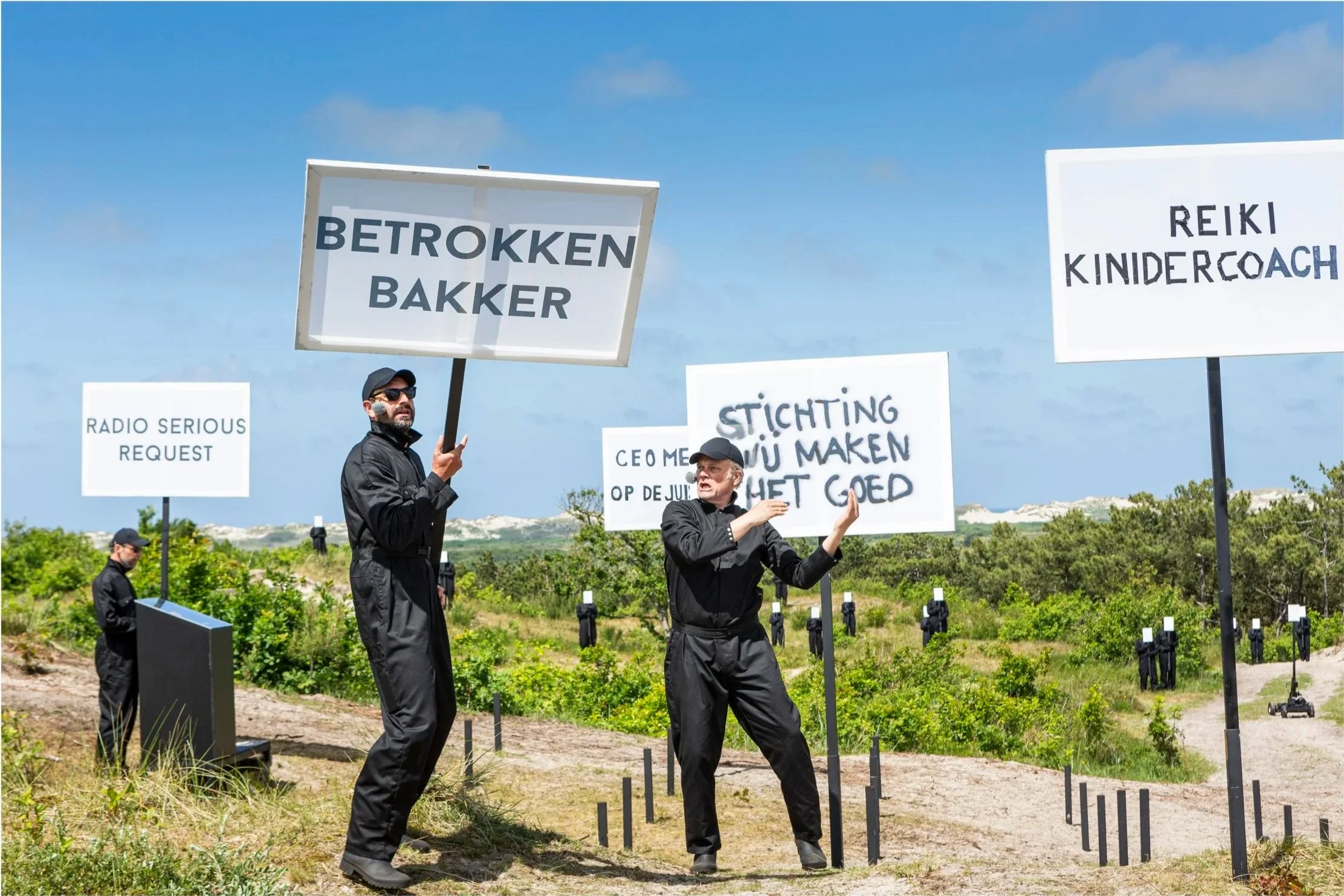
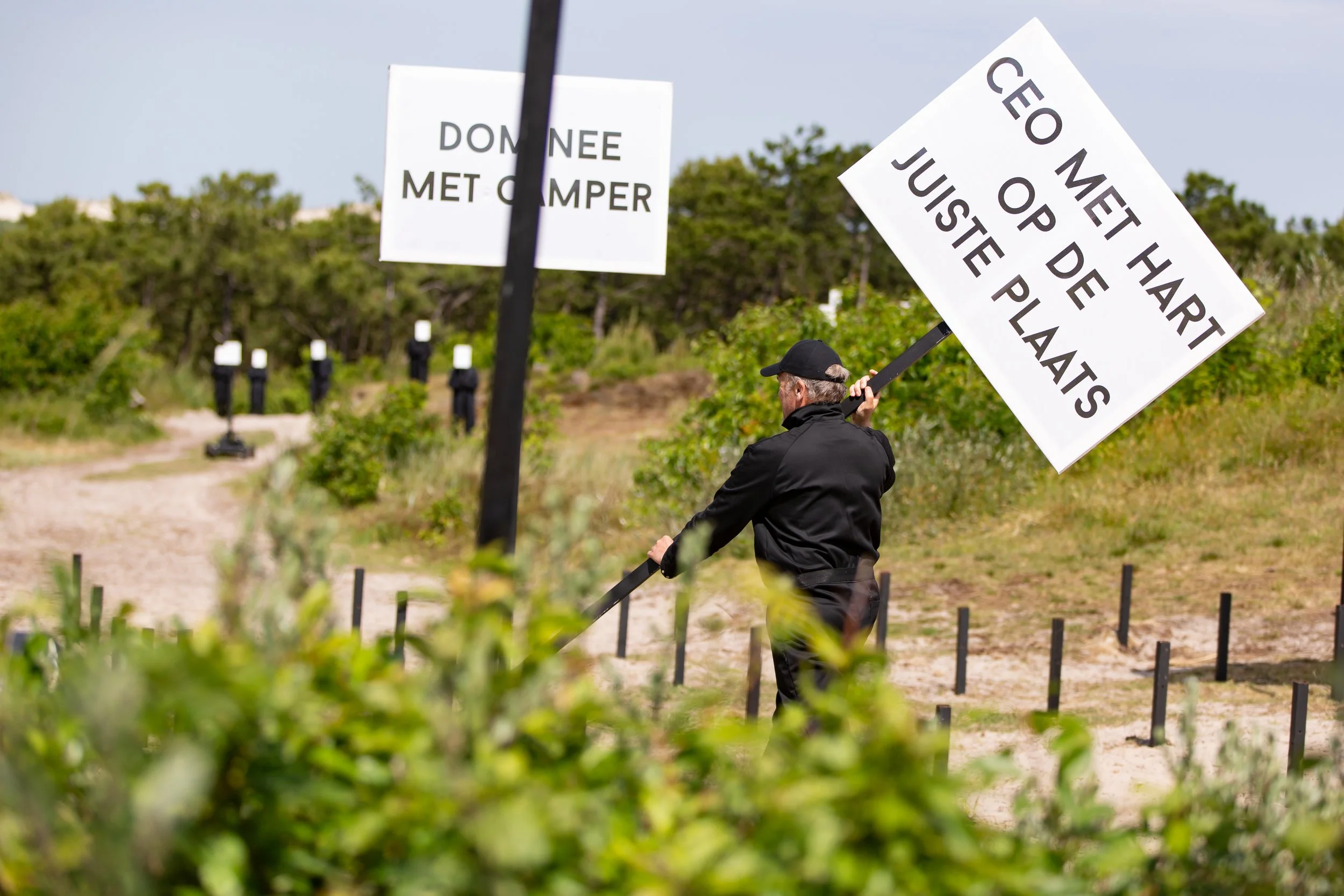
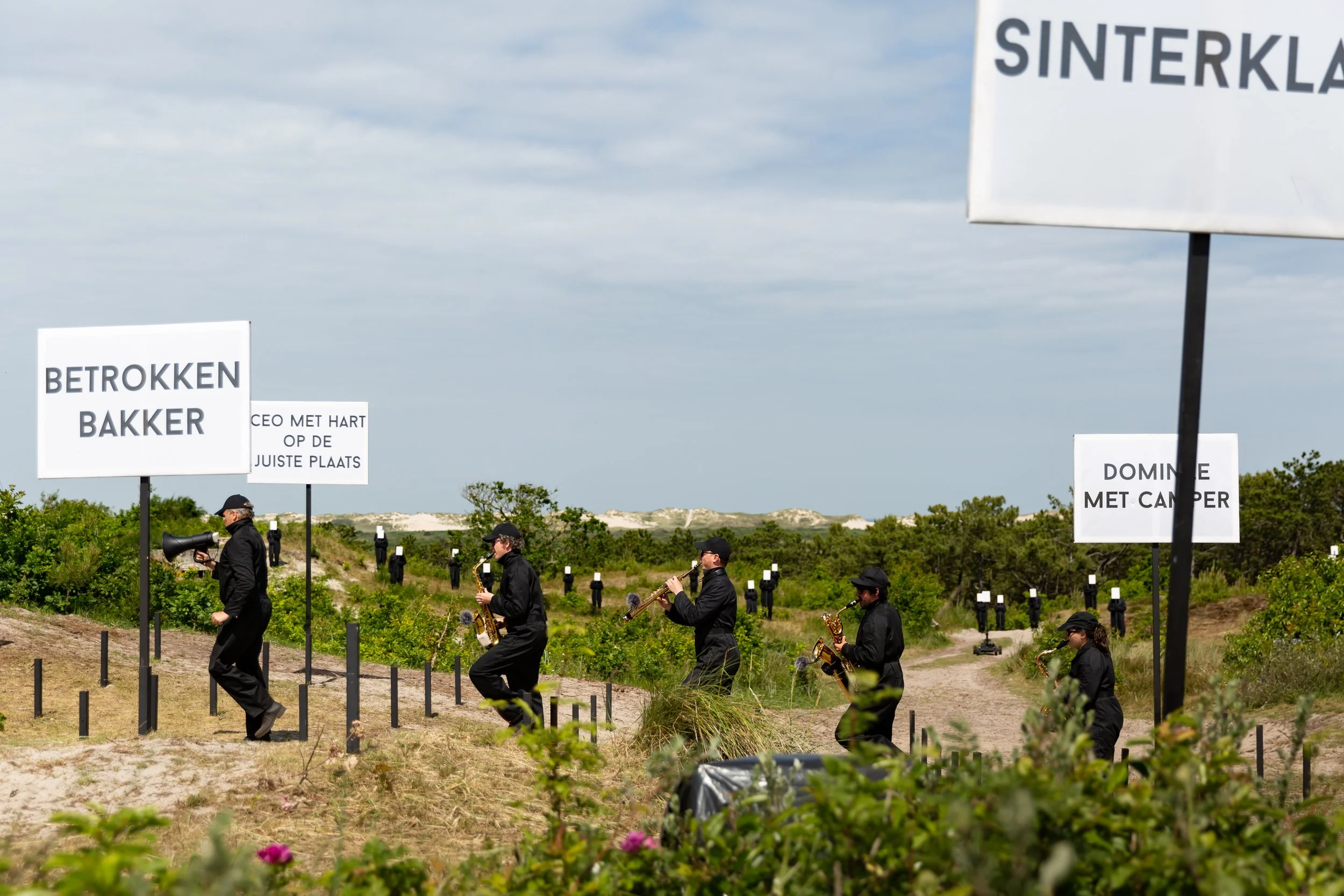
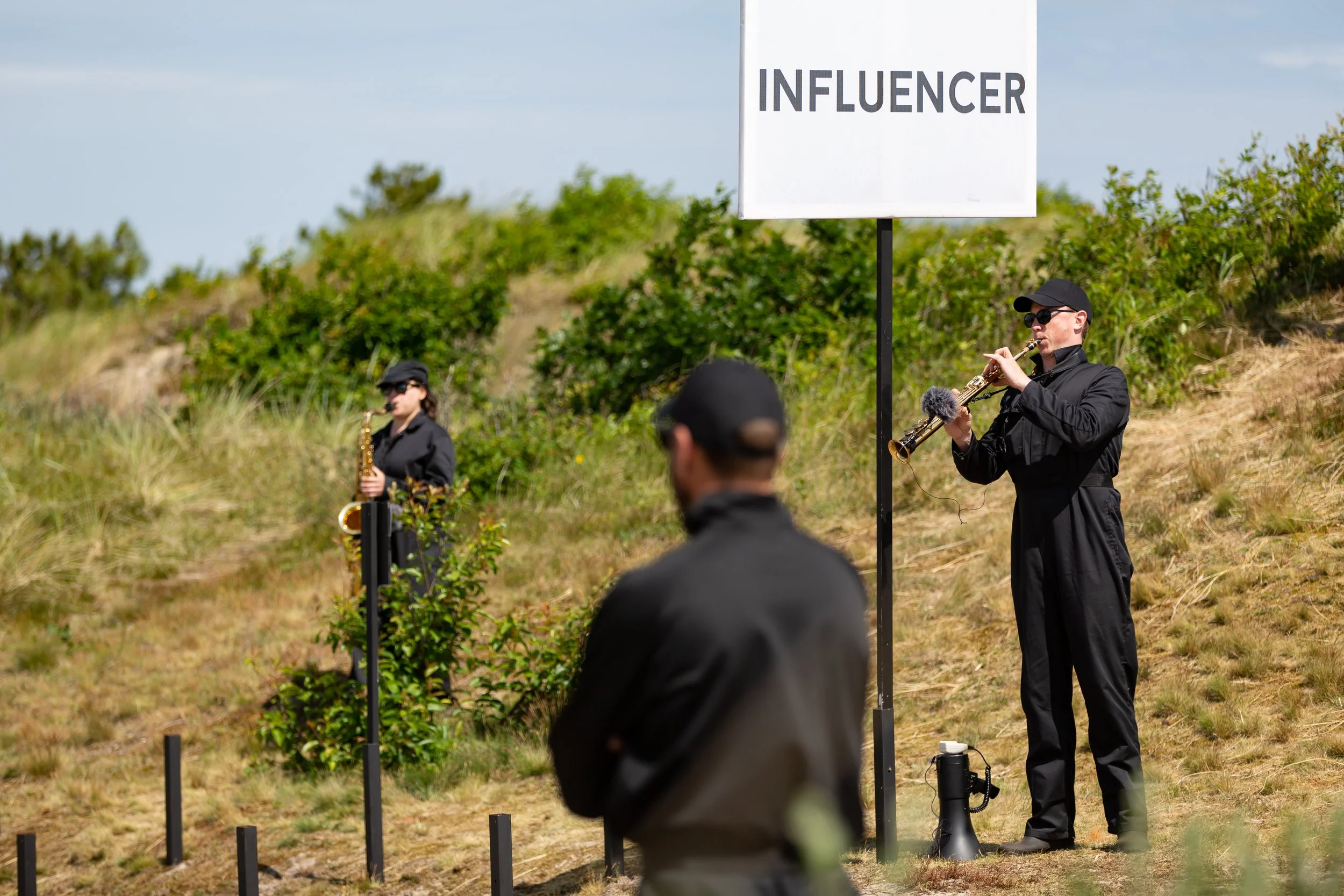
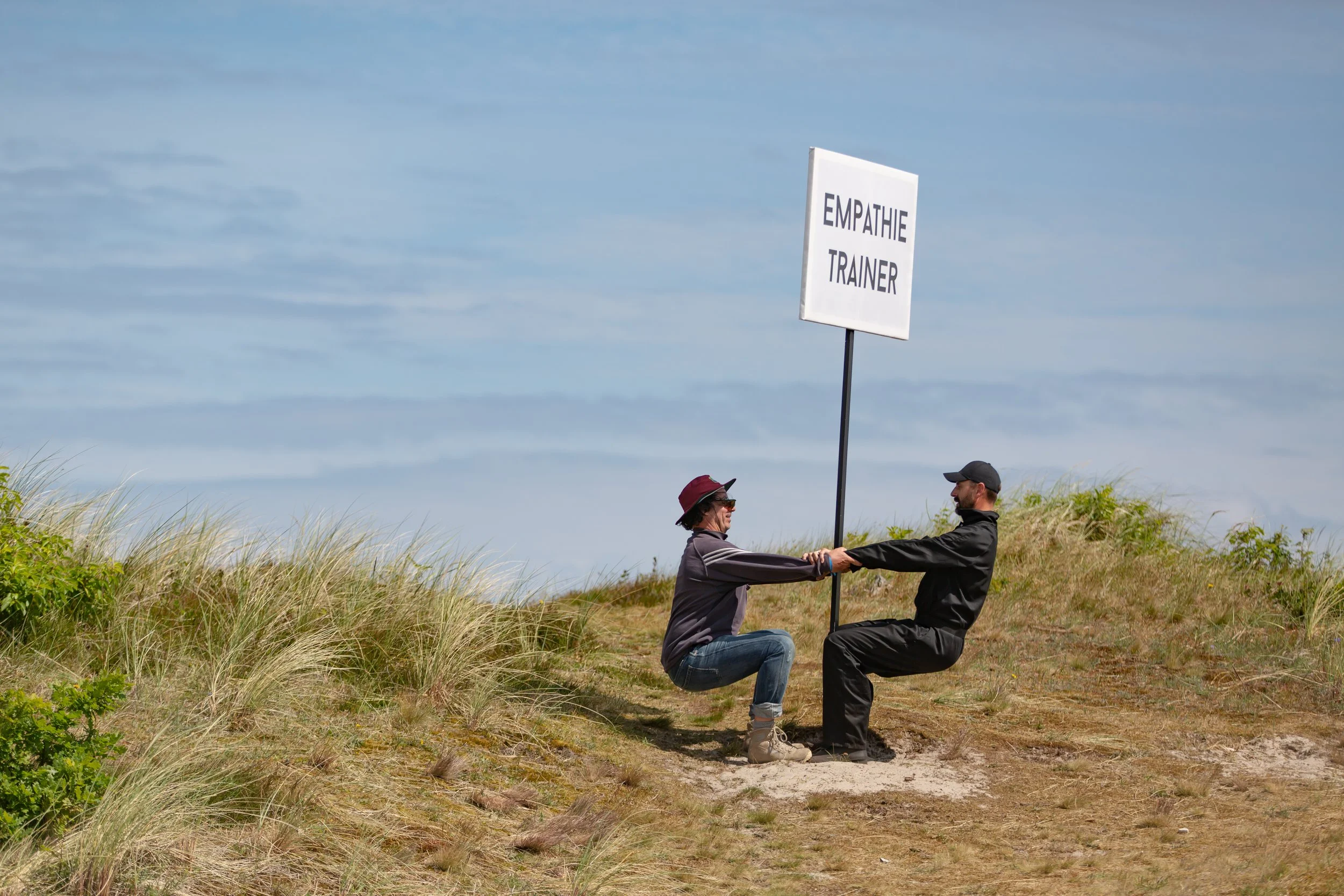
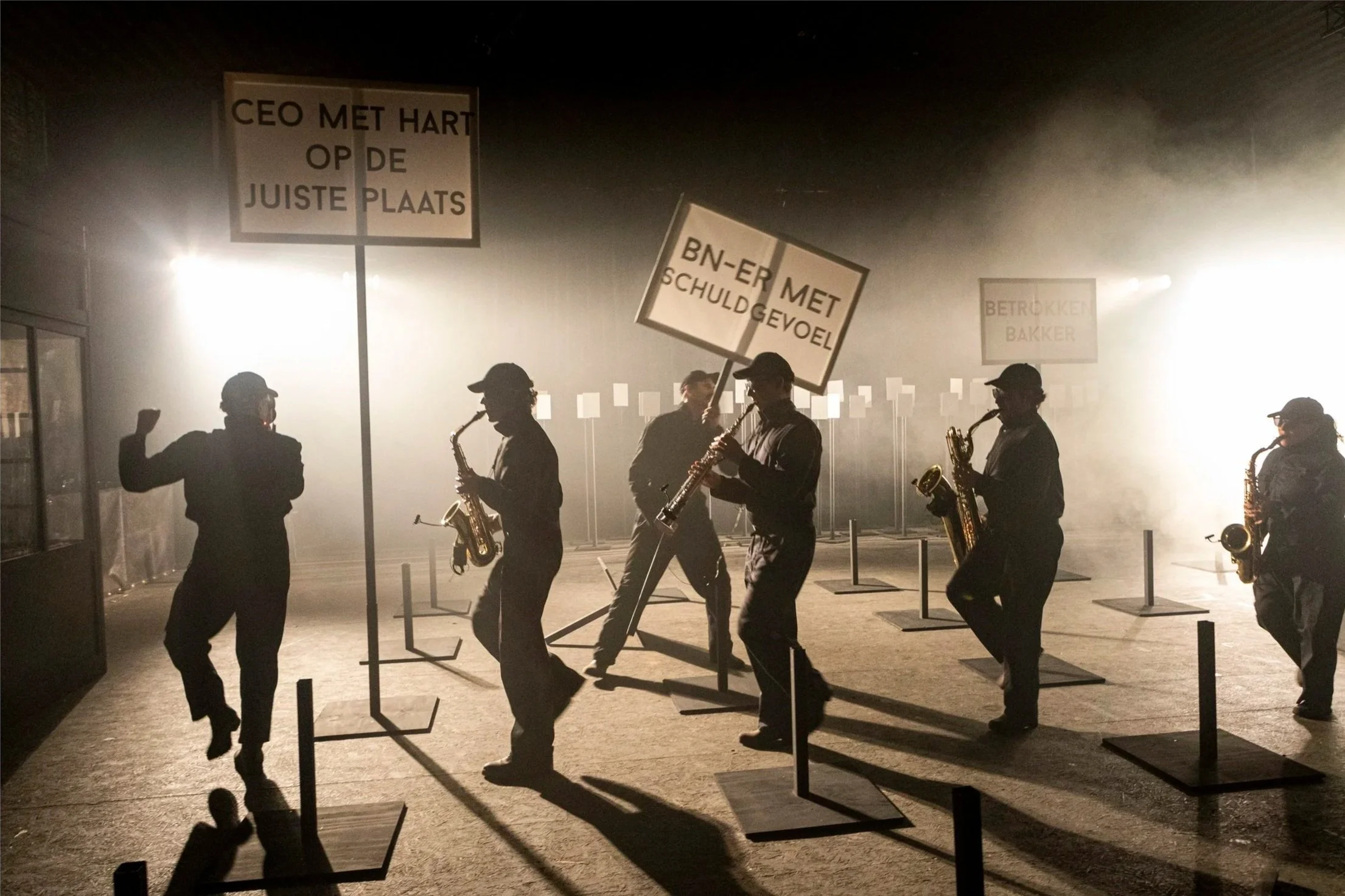
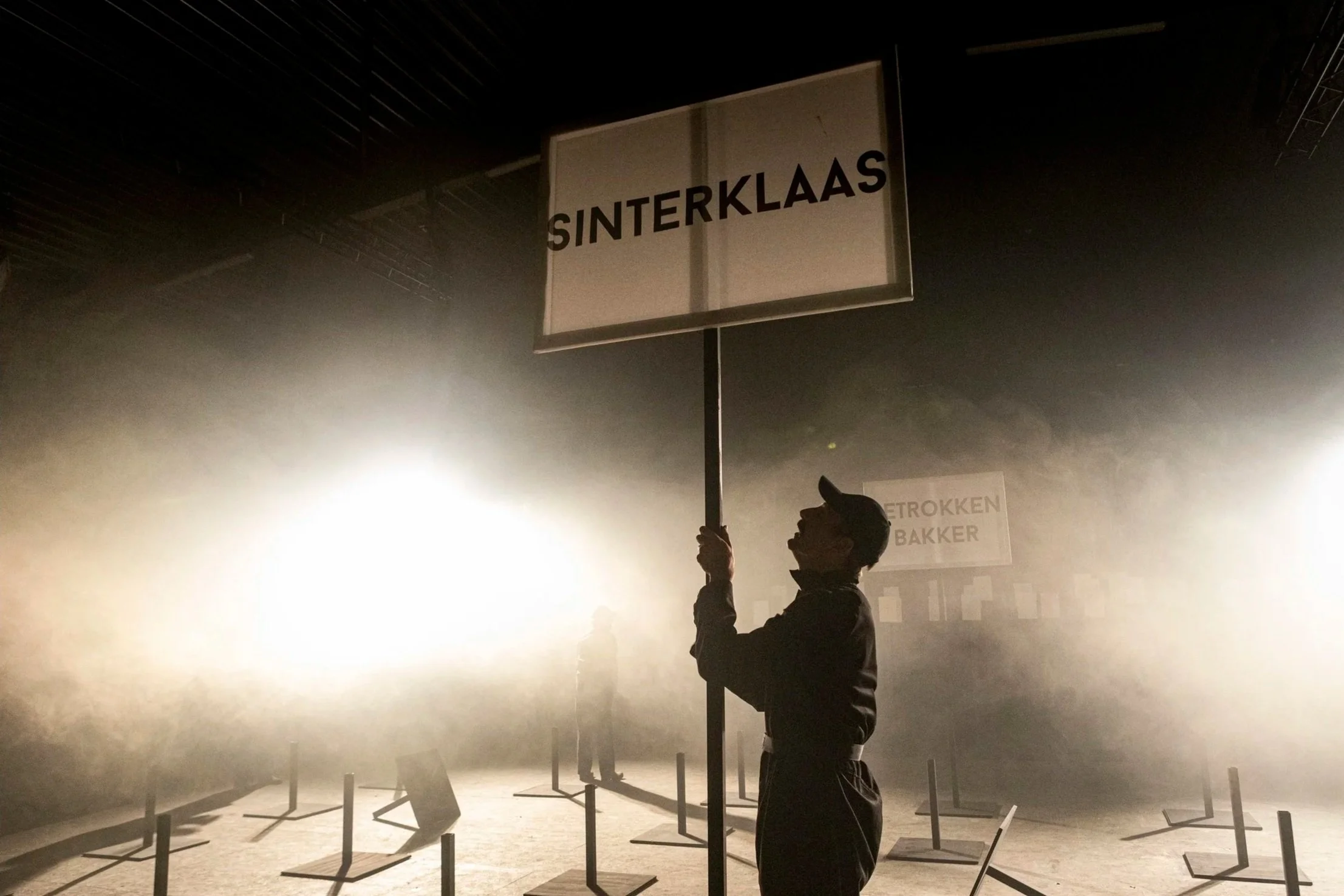
“Acts of Citizenship: how individual choices can have disastrous consequences. For years, Via Berlin has had a keen eye for dilemmas surrounding themes such as threat, war, autonomy and freedom, and what these mean for the individual. Acts of Citizenship is about refugees and how we receive them. (...) In a wonderfully chaotic way, the production portrays the pandemonium of initiatives that erupts whenever the Netherlands once again goes all out in its display of empathy: from the local baker handing out sausage rolls to influencers, DJs and Sinterklaas — they all make an appearance at the border, full of good intentions and full of themselves. Ultimately, in a dramatic final chord, it all comes down to the choices made by individuals and the disastrous consequences these can have. (...) The outstanding members of the Berlage Saxophone Quartet, who also perform as actors, provide a powerfully propulsive soundtrack.”

— Het Parool – Hans Smit

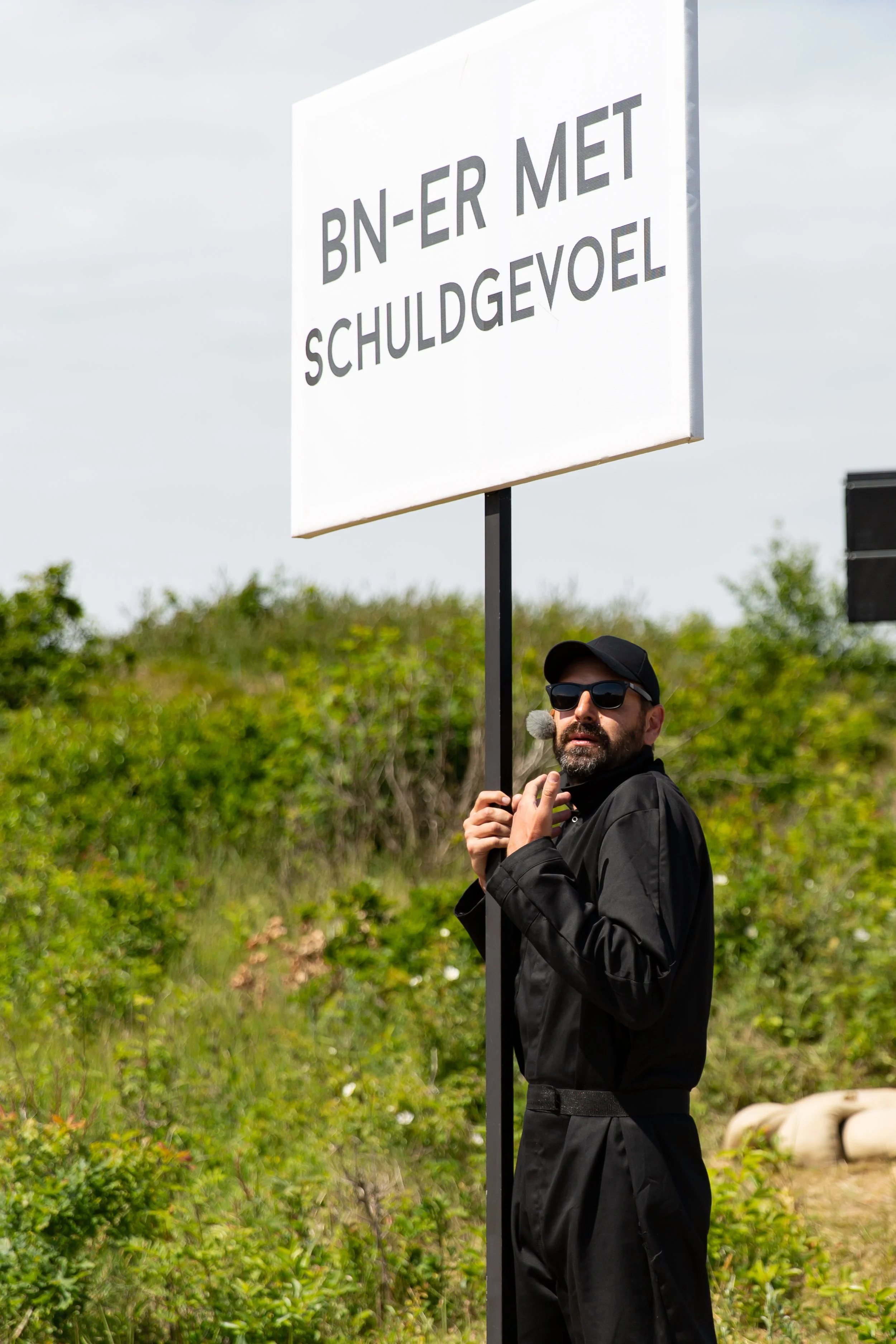
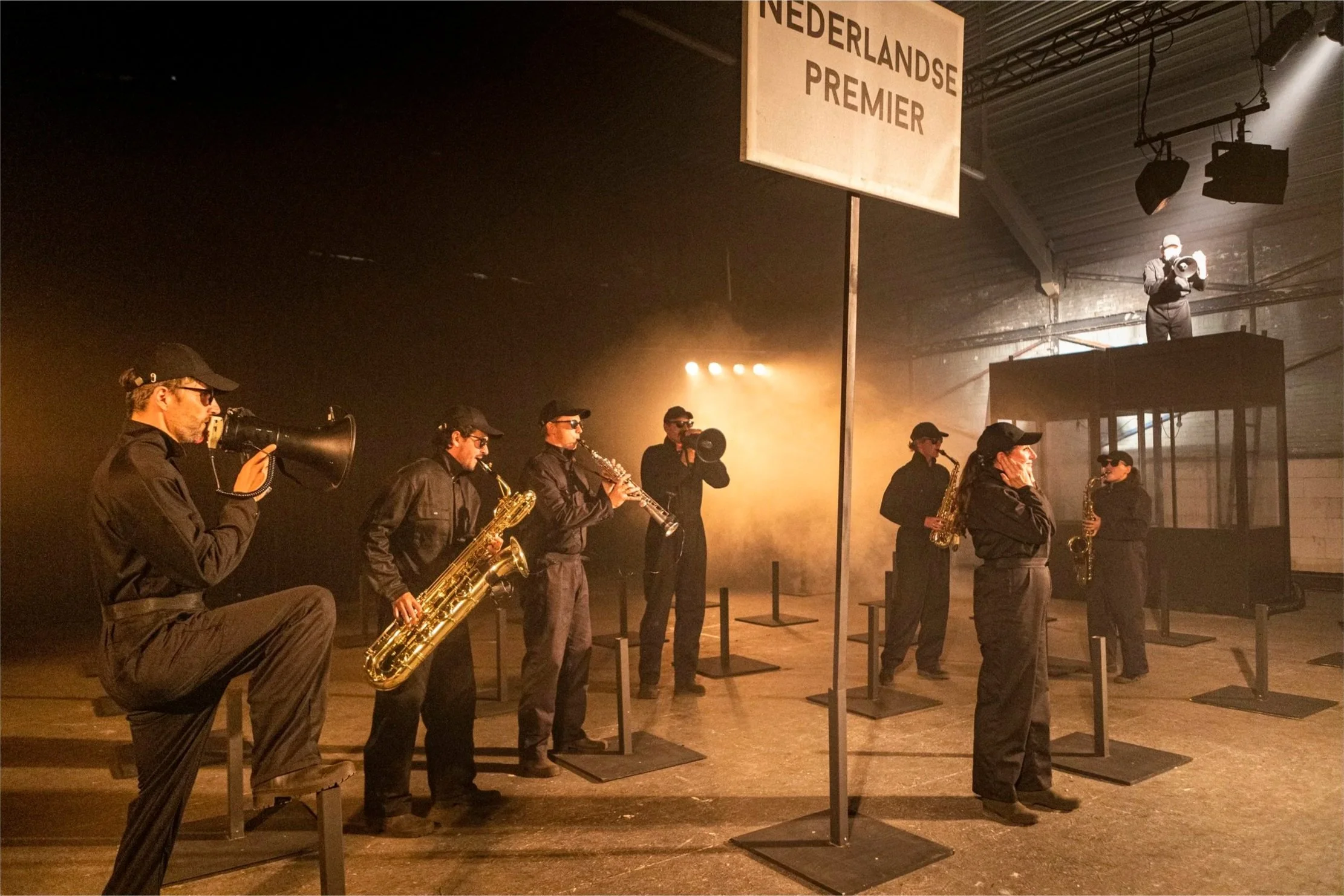
“Dystopian music theatre about acting in a morally right way. The three actors are accompanied by the musicians of the Berlage Saxophone Quartet, also dressed in black overalls, who provide a driving soundtrack. Music (a new composition by Peter Vigh ) and text (a script by Rachida Lamrabet) complement each other seamlessly, with the music either reinforcing the story or acting as a counterpoint. Music and text are entirely equal: at times the story is told through sound, at others through words. As always with Via Berlin, the characters, including the musicians, move according to tightly structured choreography. (...) Via Berlin’s productions consistently address major political and social issues. (...) The production ends dramatically, making clear that the answer to the question at its heart 'what does it mean to act in a morally right way?' ultimately always depends on individual choices. Despite the highly stylised and cerebral nature of the production, the ending still hits hard.”
— Theaterkrant – Margriet Prinsen
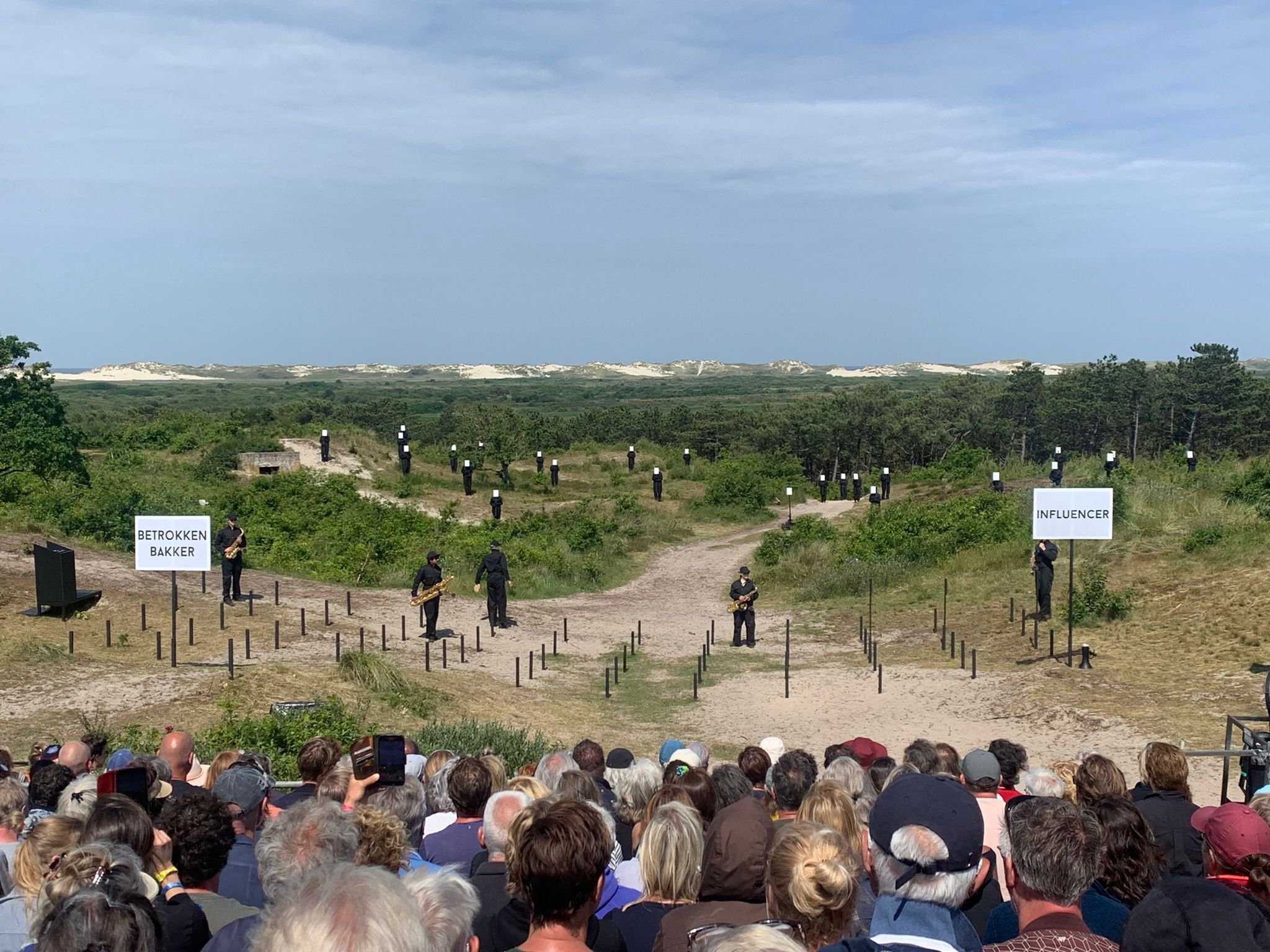
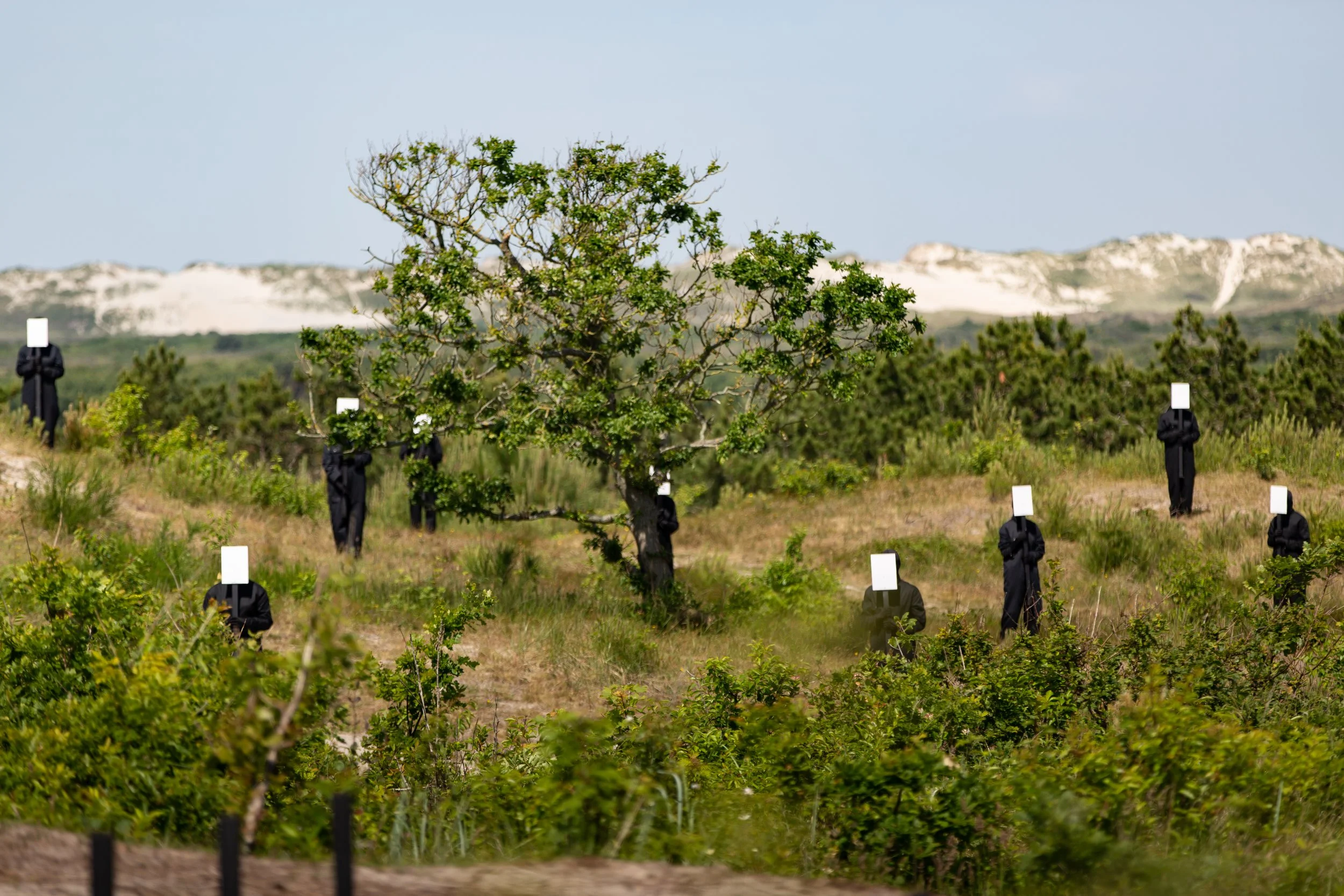
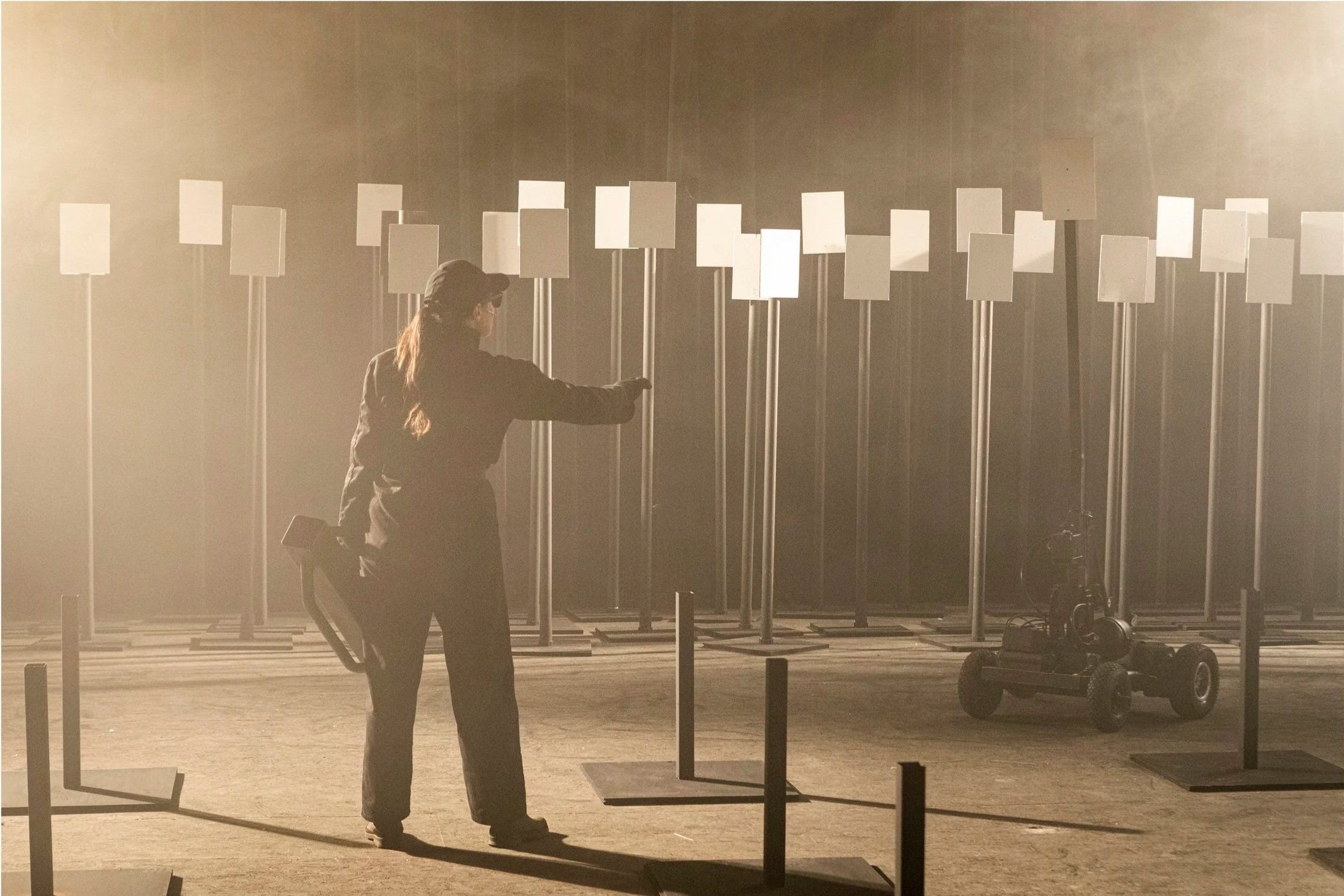
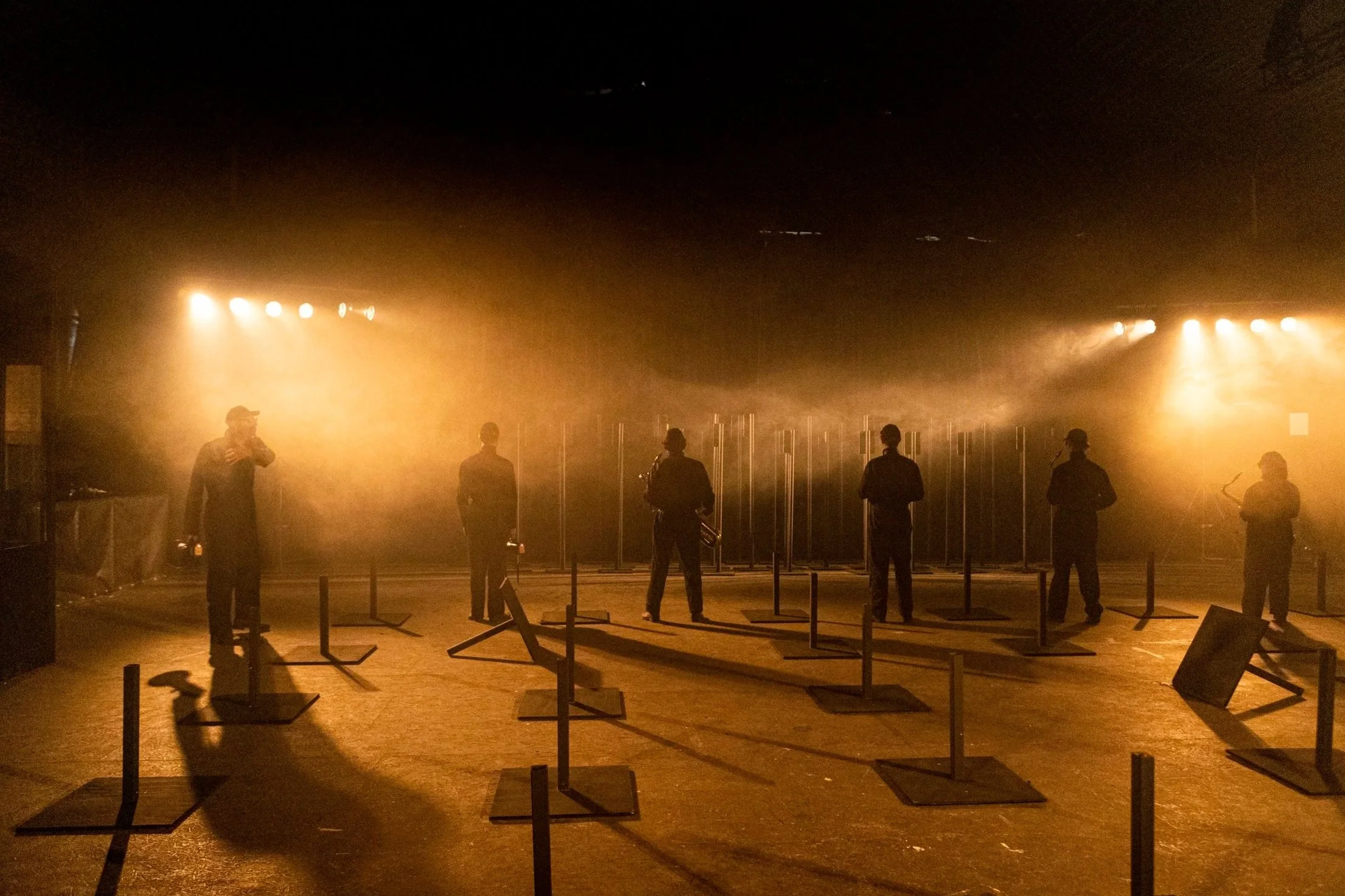
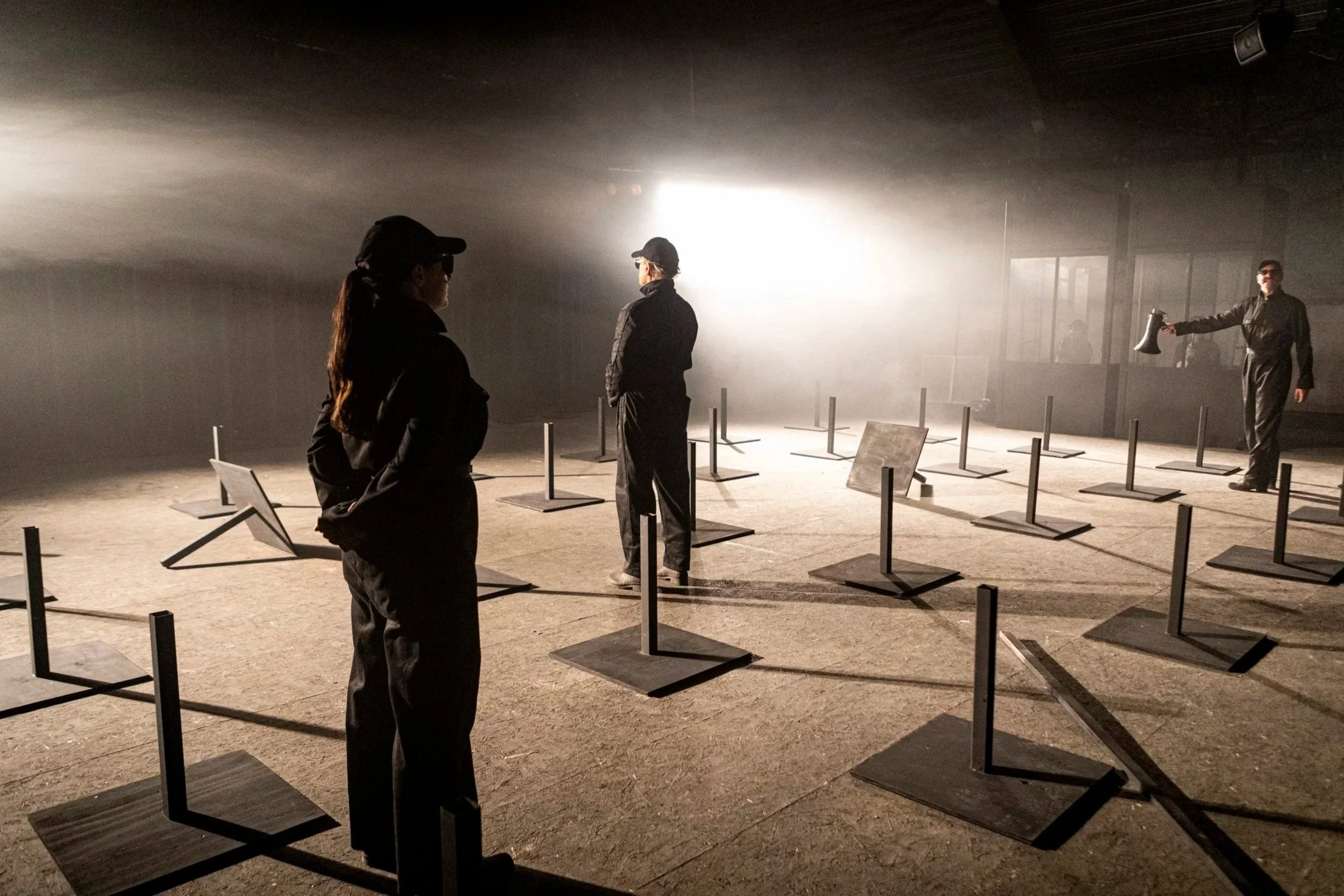
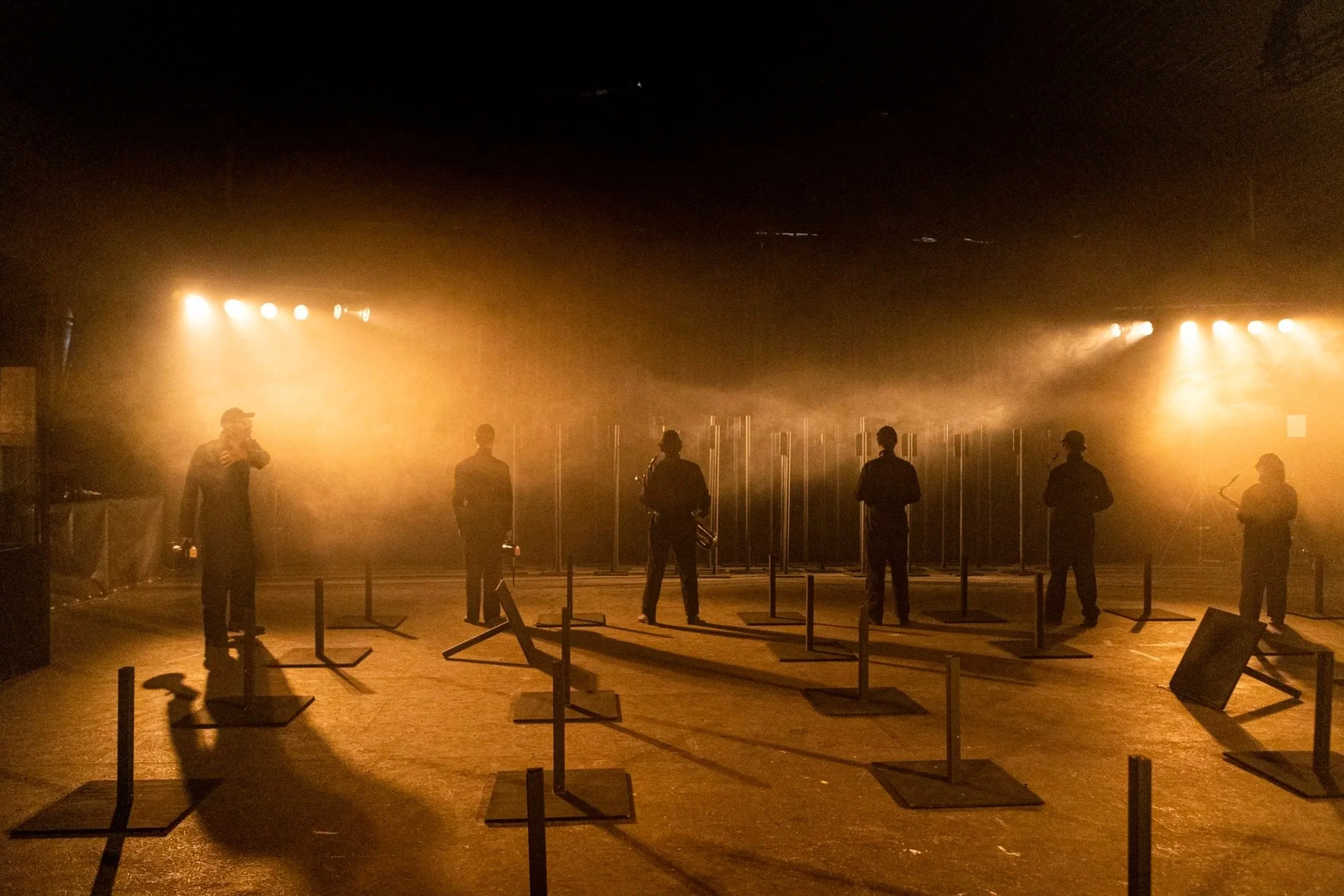
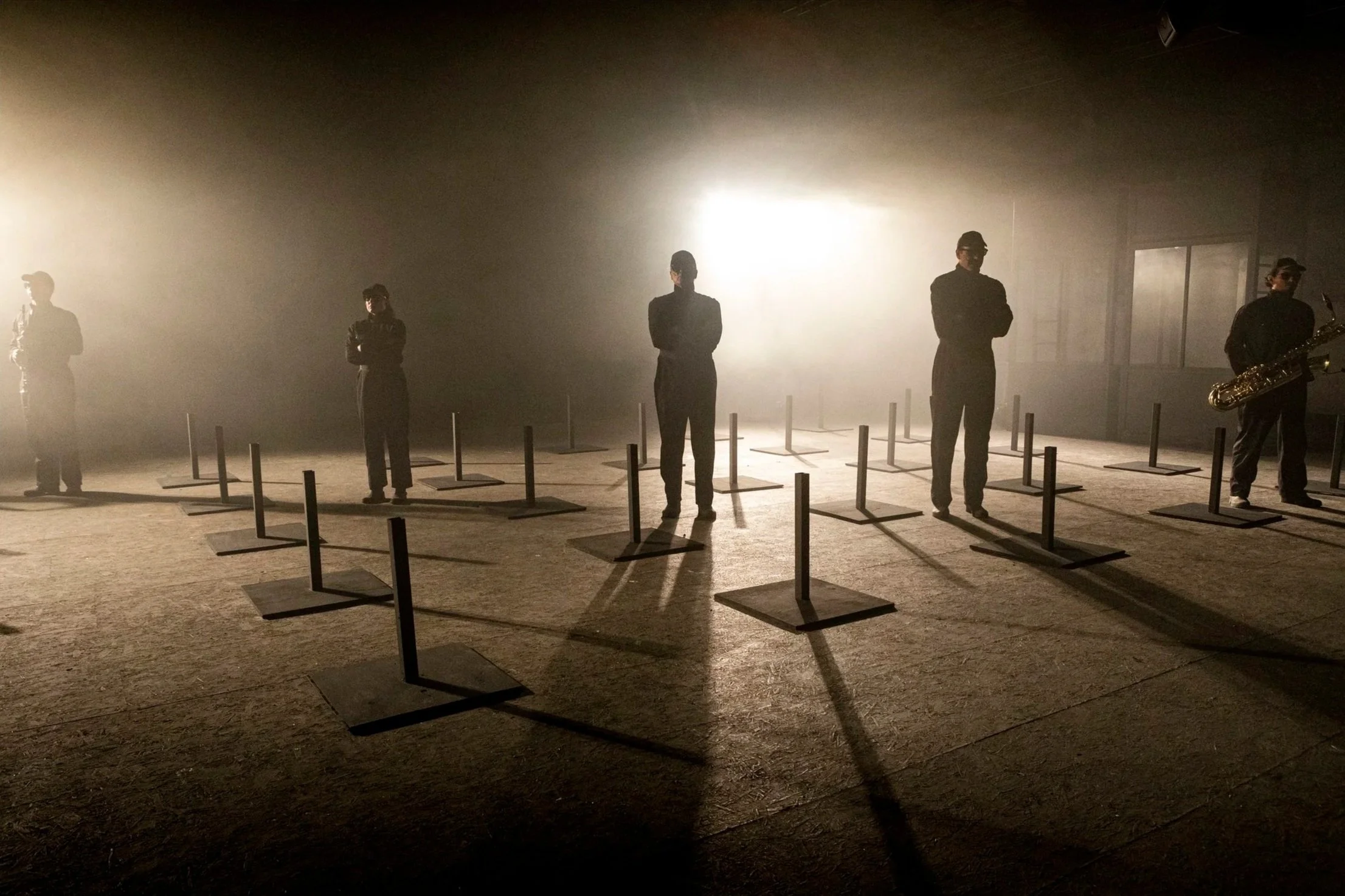
“Music theatre production Acts of Citizenship exposes the dehumanisation of refugee policy. Two saxophonists stand on each of the watchtowers. (...) Their music — classical, at times sounding like free jazz — is cleverly woven throughout the production, with accents that, at precisely the right moments, can be unsettling and then deeply moving. Even more anonymous are the refugees, also dressed in black and played by sociology and political science students from the University of Amsterdam, who stand scattered across the landscape on the Flemish side, each with a white rectangle covering their face. (...) Acts of Citizenship exposes the dehumanisation behind the refugee policies advocated by many Western countries. The only refugee who speaks is a mobile robot — also bearing one of those rectangles — that repeatedly tries, in vain, to engage the border guards in conversation. The different attitudes within our society are painfully laid bare. The dutiful civil servant, the opportunistic politician, the concerned citizen, the self-serving celebrity and the media twisting words: they all make an appearance. Sometimes hilariously recognisable. Sometimes infuriating. The well-written script, abrasive yet humorous, and the strong performances even manage to make serving the needs of scientific research (...) compelling.”— Friesch Dagblad – Vincent Meininger