Researchers
What happens when research becomes an experience?
At Via Berlin, research doesn’t happen at a distance. We bring it into the room, onto the stage and into the experience.
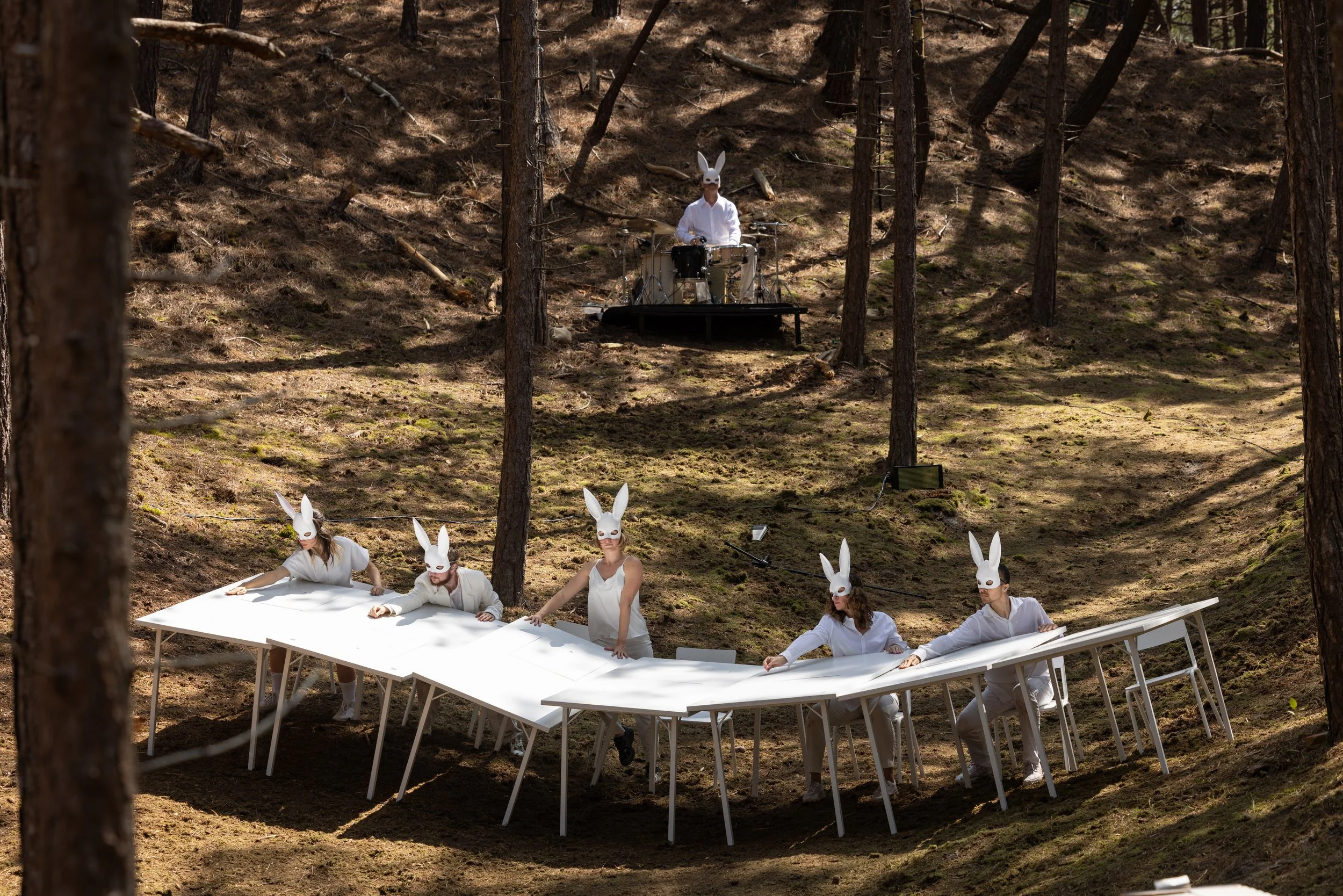
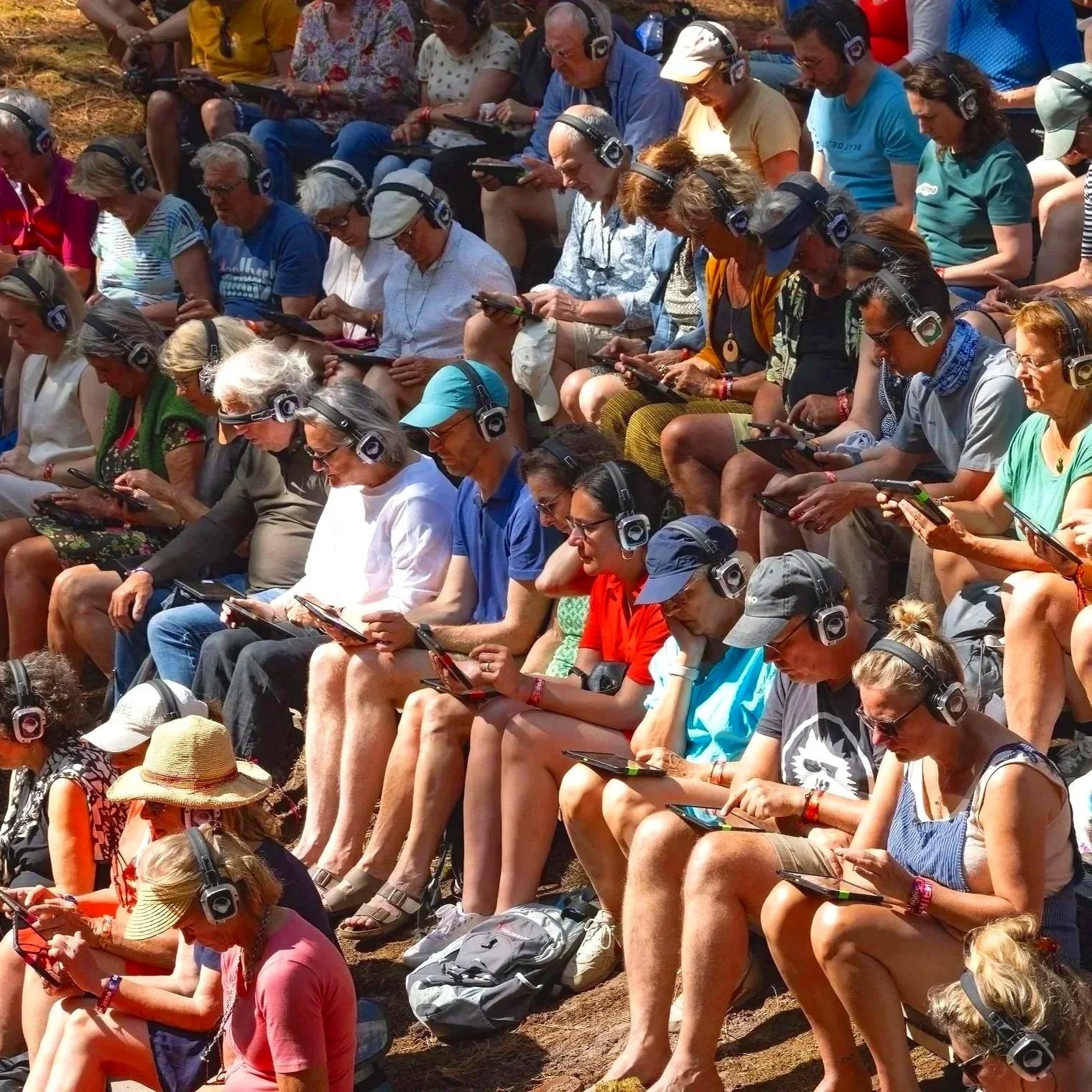
Together with universities, researchers and societal partners, we translate urgent social questions into immersive artistic interventions. Audiences become participants: they encounter, choose, feel, respond, and sometimes become part of the research itself.
Through arts-based research, social artistic interventions and large-scale field studies, we explore not only what people think, but what happens when ideas are felt, experienced and lived. Because some questions need more than an answer. They need to be experienced.
What we can do for you
Developing new immersive interventions
Turning research questions into artistic experiences designed to create encounters, shift perspectives or explore behaviour.
Building research instruments and environments
Creating artistic settings, tools and experiences in which research can take place beyond traditional surveys or laboratory settings.
Translating research into lived experience
Making abstract theories, data and societal questions tangible through performance, LARP, games and participatory formats.
Designing real-world experiments
Developing interventions that allow researchers to study responses, choices and interactions in real-life or immersive settings.
Creating tailor-made performances for round tables and conferences
Framing round-table sessions, conferences and expert meetings with specially designed performances that immerse participants emotionally in the subject matter — before the conversation even begins.
Reaching participants beyond academia
Bringing research into theatres, festivals, schools and public spaces and engaging diverse groups of participants.
Co-creating with communities
Developing research and interventions together with the people and communities at the heart of the question.
Exploring what traditional methods cannot capture
Using artistic methods to investigate emotions, embodied experiences, relationships and social dynamics.
Turning findings into impact
Translating research outcomes into artistic interventions that can travel, engage new audiences and continue the conversation beyond the research itself.
Ongoing
research projects
Our ongoing research projects bring art and science together around some of today’s most urgent societal questions. Together with leading researchers and international partners, we develop and test immersive interventions that turn research into lived experience - and lived experience into new knowledge.
MEN4DEM — Masculinities for the Future of European Democracy
How do ideas about masculinity shape democracy, polarisation and radicalisation?
MEN4DEM is a Horizon Europe research project, led by Professor Liza Mügge at the University of Amsterdam (UvA) and bringing together researchers and societal organisations across six European countries.
Within the project, Via Berlin develops and tests immersive artistic interventions that allow participants to experience (rather than simply discuss) how gender norms, relationships and social pressures influence attitudes and behaviour.
Through LARP, digital interventions and live artistic experiences, we create real-world research environments in which participants’ responses, choices and interactions can be studied.
IMMERSE — Can Immersive Narrative Interventions Strengthen Support for Liberal Democracy?
What if democracy is not only explained, but experienced?
IMMERSE is a research project led by Professor Matthijs Rooduijn at the University of Amsterdam (UvA), funded by a European Research Council (ERC) grant, investigating whether immersive narratives can strengthen people’s engagement with liberal-democratic principles.
Instead of relying on conventional information or argument, the project explores the power of compelling stories, relatable characters and, crucially, emotions.
Through live theatre, LARP, artistic installations, analogue- and digital games and storytelling, IMMERSE compares how different narrative experiences affect people’s attitudes, emotions and engagement with democracy.
Via Berlin contributes its expertise in Arts-Based Research and immersive interventions, developing real-world artistic experiences that turn democratic questions into something participants can enter, feel and respond to.
“I think collaboration between the arts and the sciences is incredibly important.
It’s actually kind of a scandal that in the Netherlands - unlike in many other countries - arts education isn’t integrated into universities. Just having conservatories, theatre schools, and visual arts programmes present within universities would already make a huge difference for the development of both fields. The main reason for that is that the arts are, more than anything else, the place where experimentation happens. In the arts, when things are going well, you discover new worlds, open up new perspectives, and break through existing frameworks. Compared to the arts, the sciences are relatively conservative - and that’s partly because of the way scientists are evaluated. That conservatism has its function, but it shouldn’t be the only thing that dominates. The arts can really benefit from being around and engaging with a critical audience, and the sciences can benefit from being confronted with experiments that push beyond established frameworks. That’s why it’s important that the arts don’t just see themselves as interpreting what’s already known, but instead use their freedom - as has been done here - as fully as possible to explore.”
Paul van Tongeren, Dutch Philosopher
Publications
-
Policy Brief
DEMOCRACY UNDER PRESSURE: NEW TOOLS TO COUNTER GENDERED RADICALISATION
MEN4DEM is a Horizon Europe-funded research project that brings together the knowledge of academics, artists, and activists to co-create and test interventions that engage men in strengthening democratic resilience. We conducted a systematic, evidence-based review of intervention effectiveness and synthesized these scientific findings with best practices from MenEngage Europe.
-
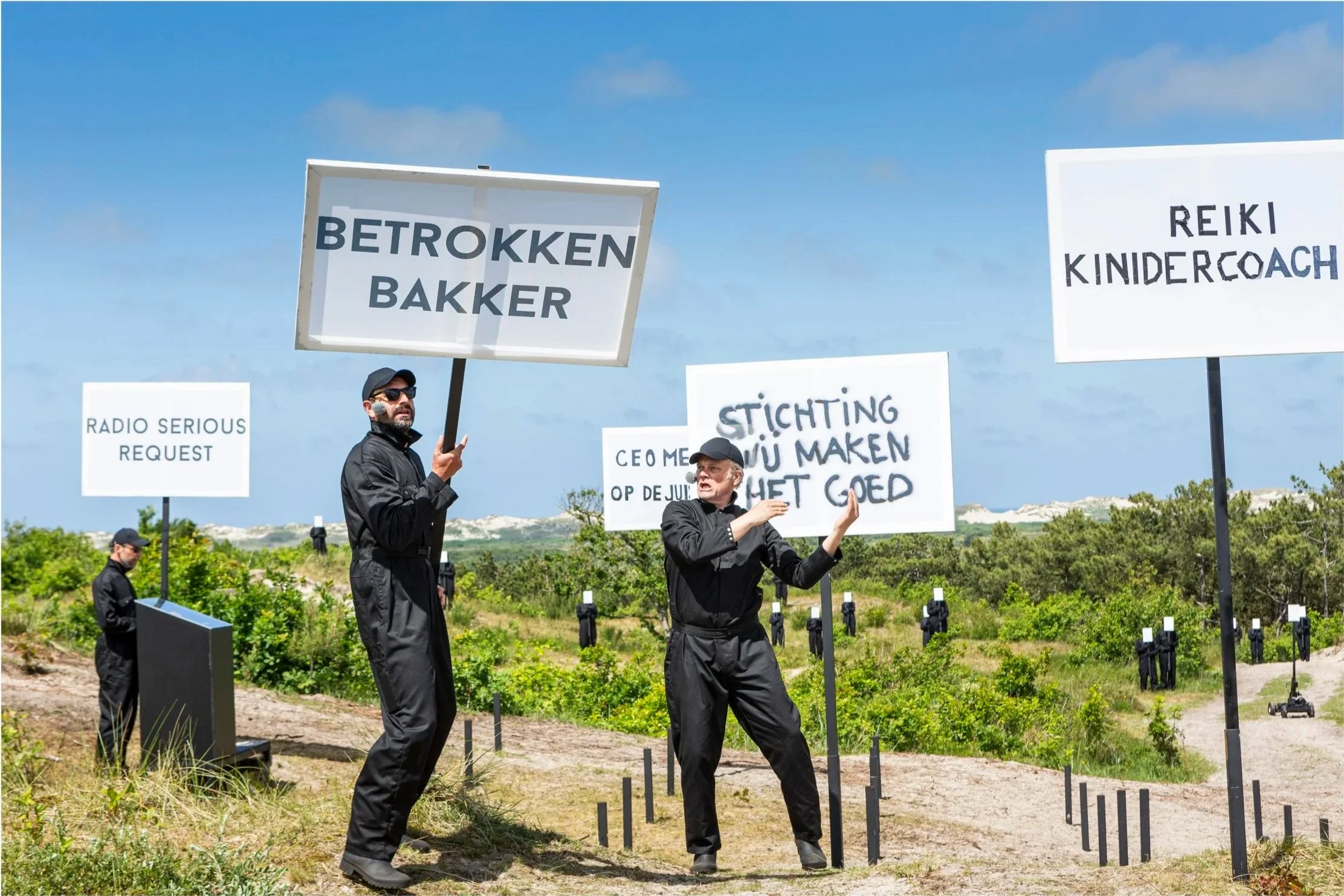
Can Stories shift political views
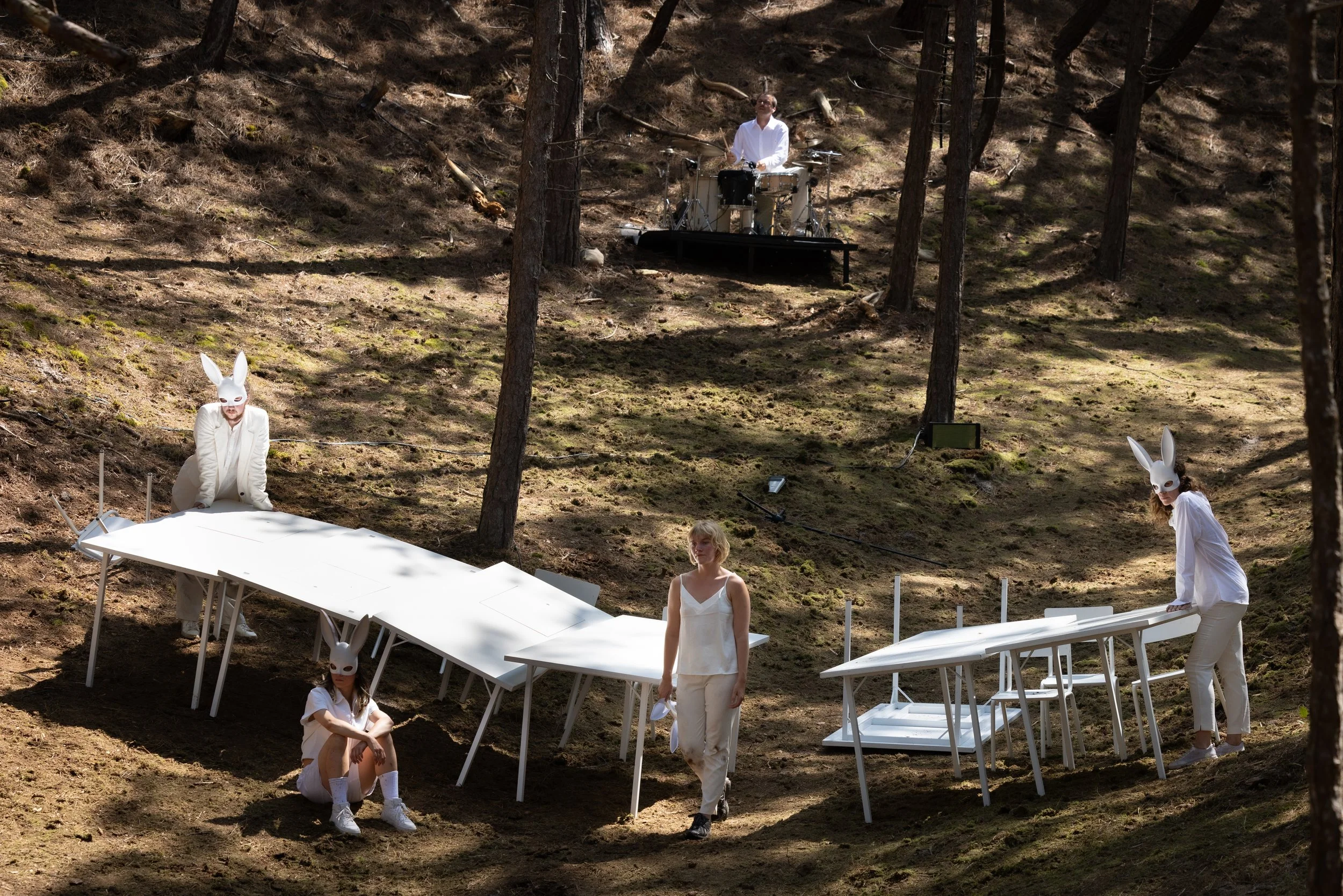
When Did You Leave? is an immersive theatre experiment on populist radical-right narratives.
In a time of growing political polarization, these findings matter far beyond Terschelling. PRR politicians and influencers are skilled storytellers. They know very well how to effectively convey their nativist, populist and sexist messages. Our study helps illuminate through which such persuasion works.
-
Acts of Citizenship
Acts of Citizenship explores our paradoxical relationship with the nation state and the dilemma of intervention: when do we help, when do we stand back, and does intervening always make things better?
At the center, we place the paradox between the growing desire for and appreciation of a powerful nation state on the one hand and on the other the ambivalent relationship citizens maintain with the institution that acts on their behalf on the global stage.
-
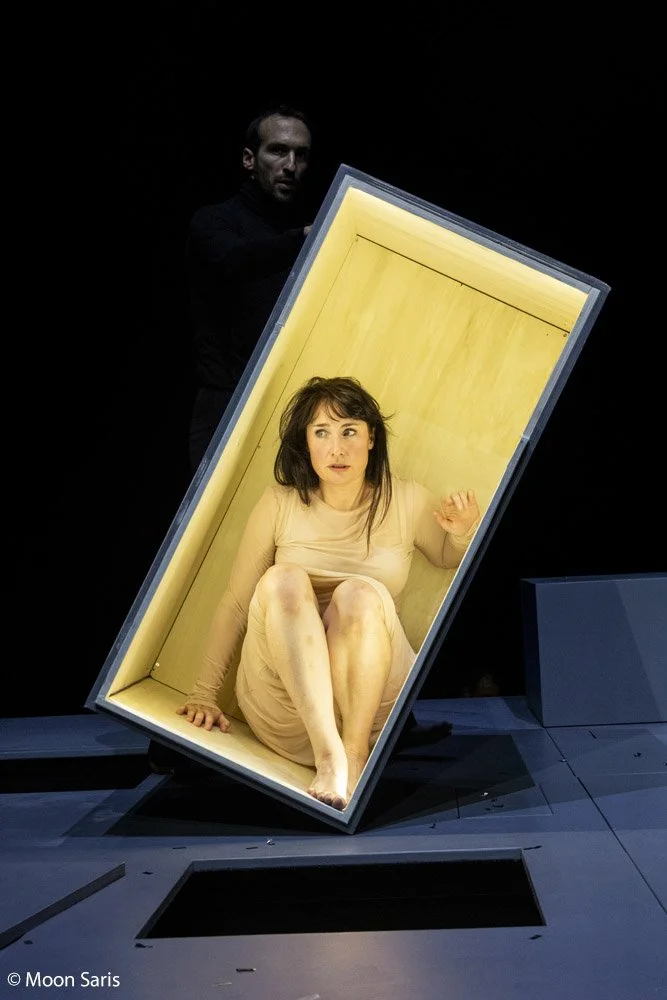
Huis G.
During Huis G., we investigated with Radboud University and social partners why it is so difficult to intervene as a bystander in cases of relational violence. An urgent question, given that 1.3 million people in the Netherlands are affected each year and fewer than 10% of cases are ever reported.
-
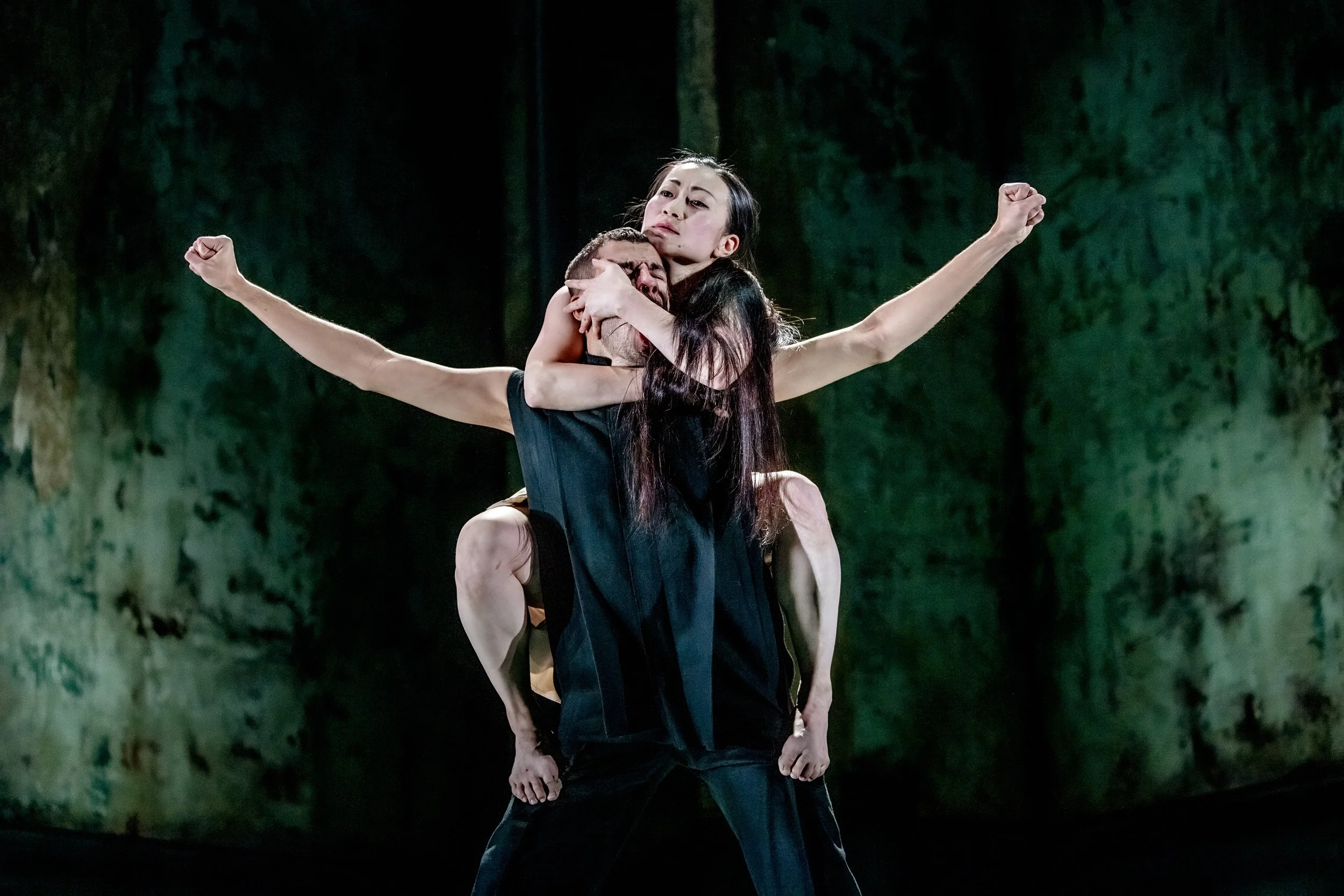
Normality No More
Around Normality No More, we investigated neurodiversity among approximately 30,000 visitors and their ideas about neurodivergence.
Let’s create something together
Do you have a research question or project that could benefit from a different perspective?
Let’s explore what art can bring to your research. Together, we can transform complex questions into layered, embodied experiences that invite people to feel, explore and see the world differently.
Bring us your question an let’s discover what we can create together.
Contact us: Dagmar@viaberlin.nl