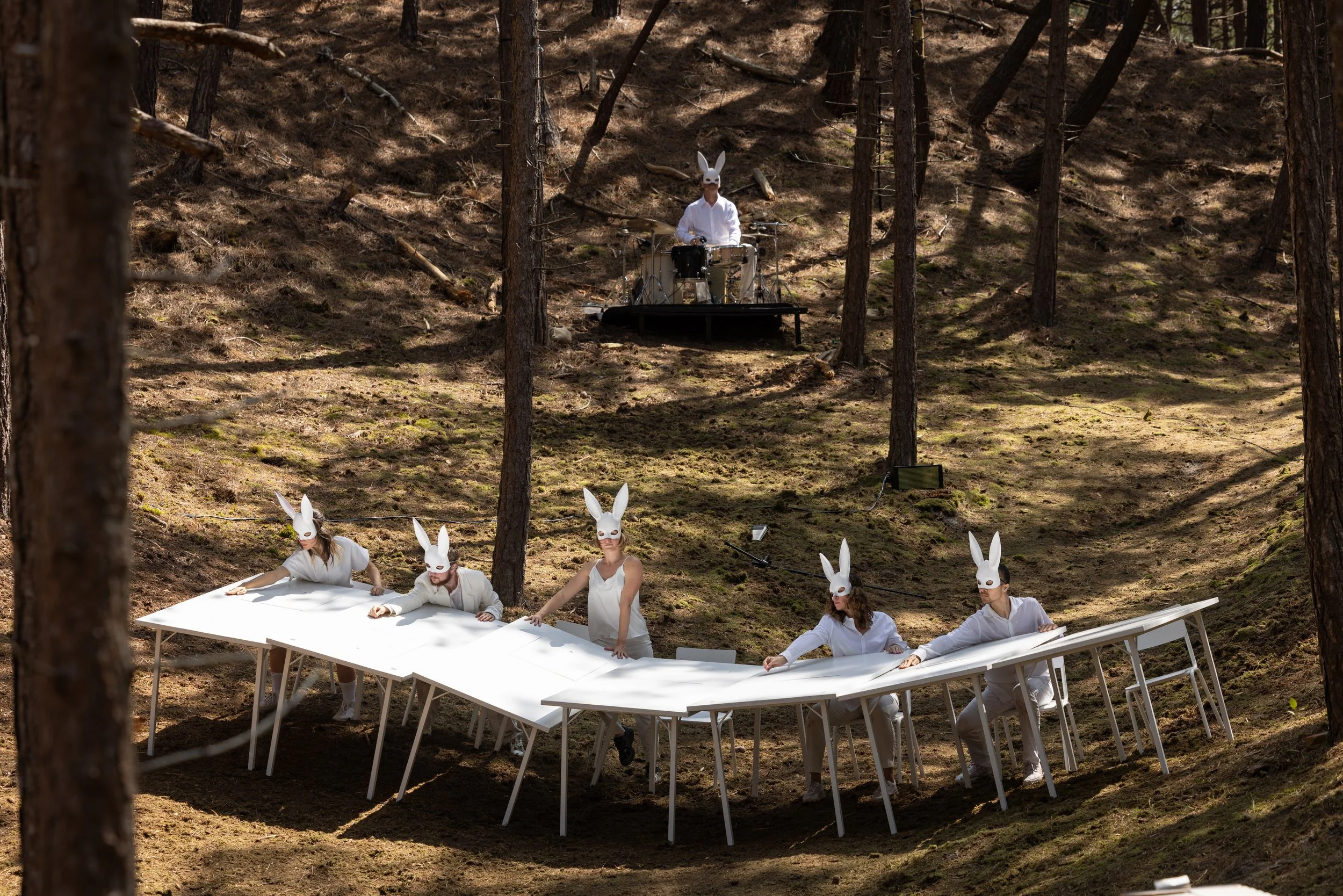
When did you leave?
Synopsis
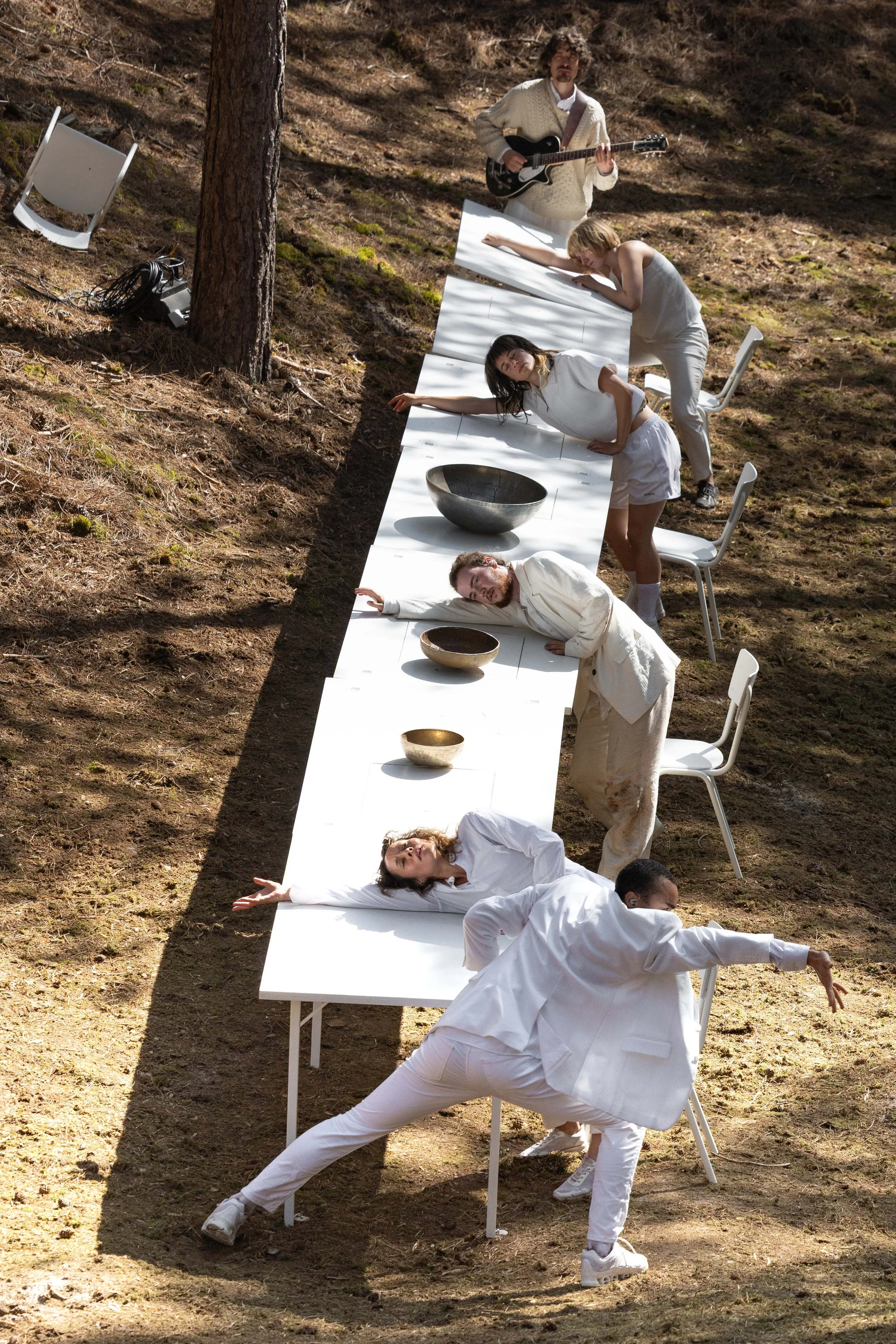
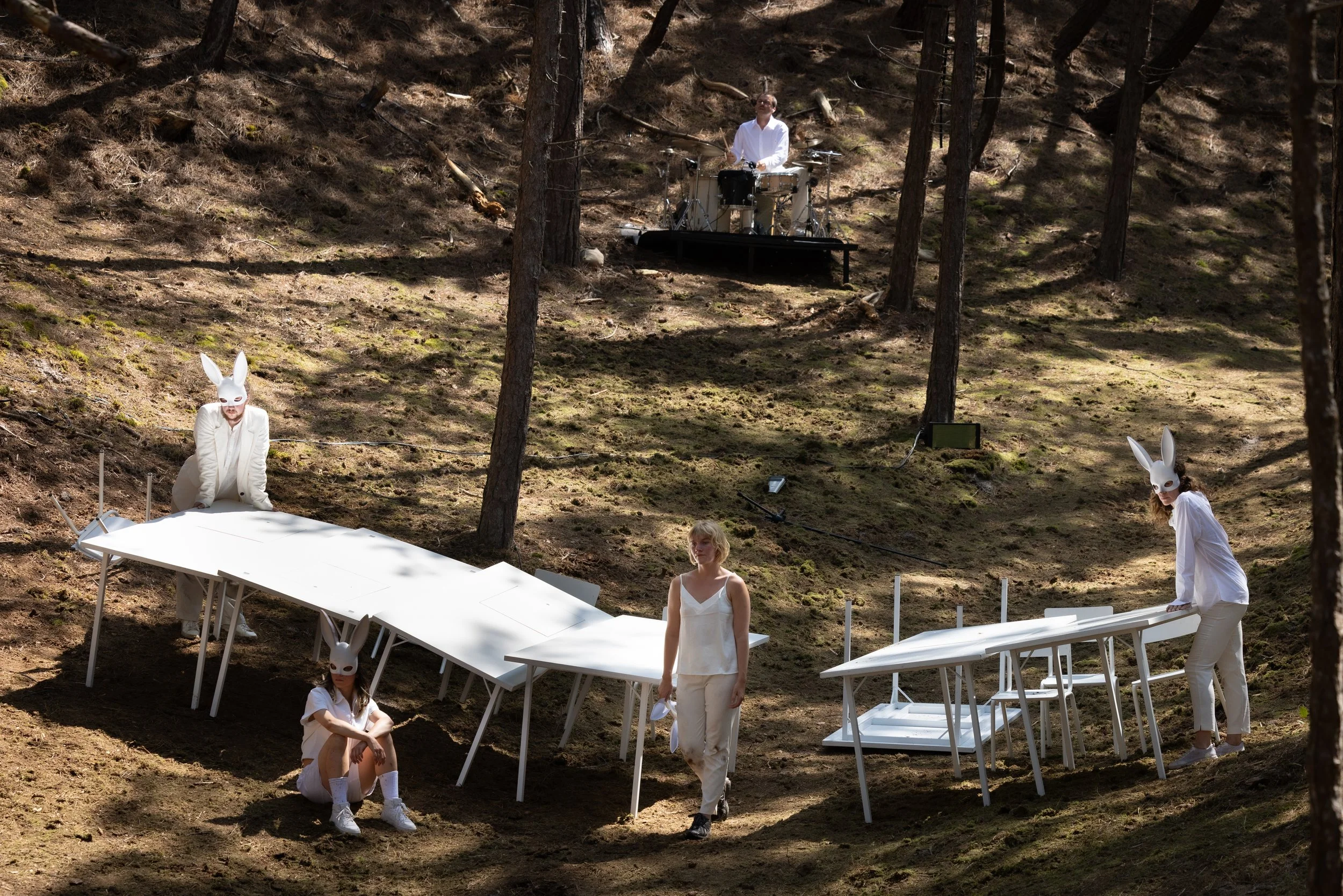
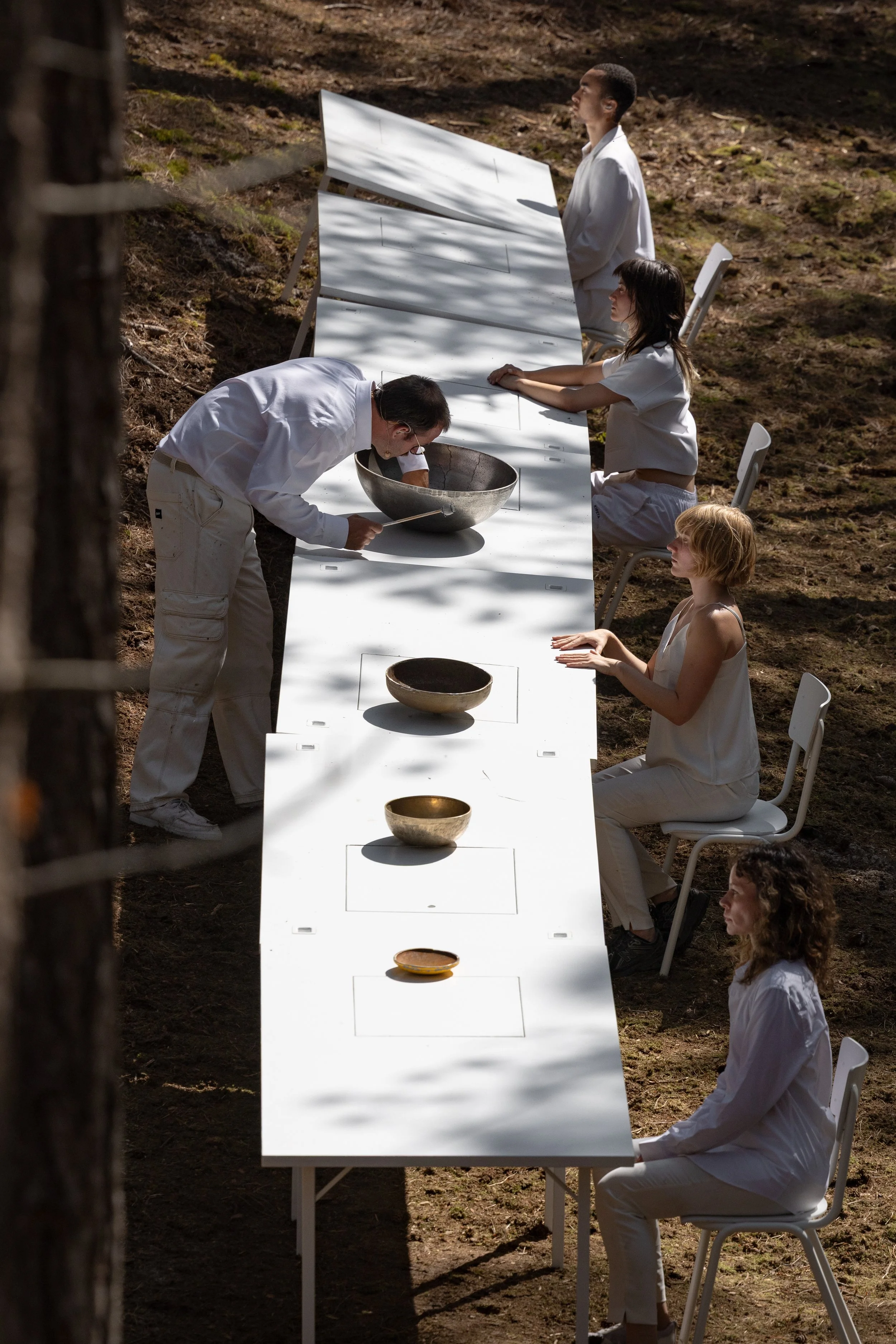
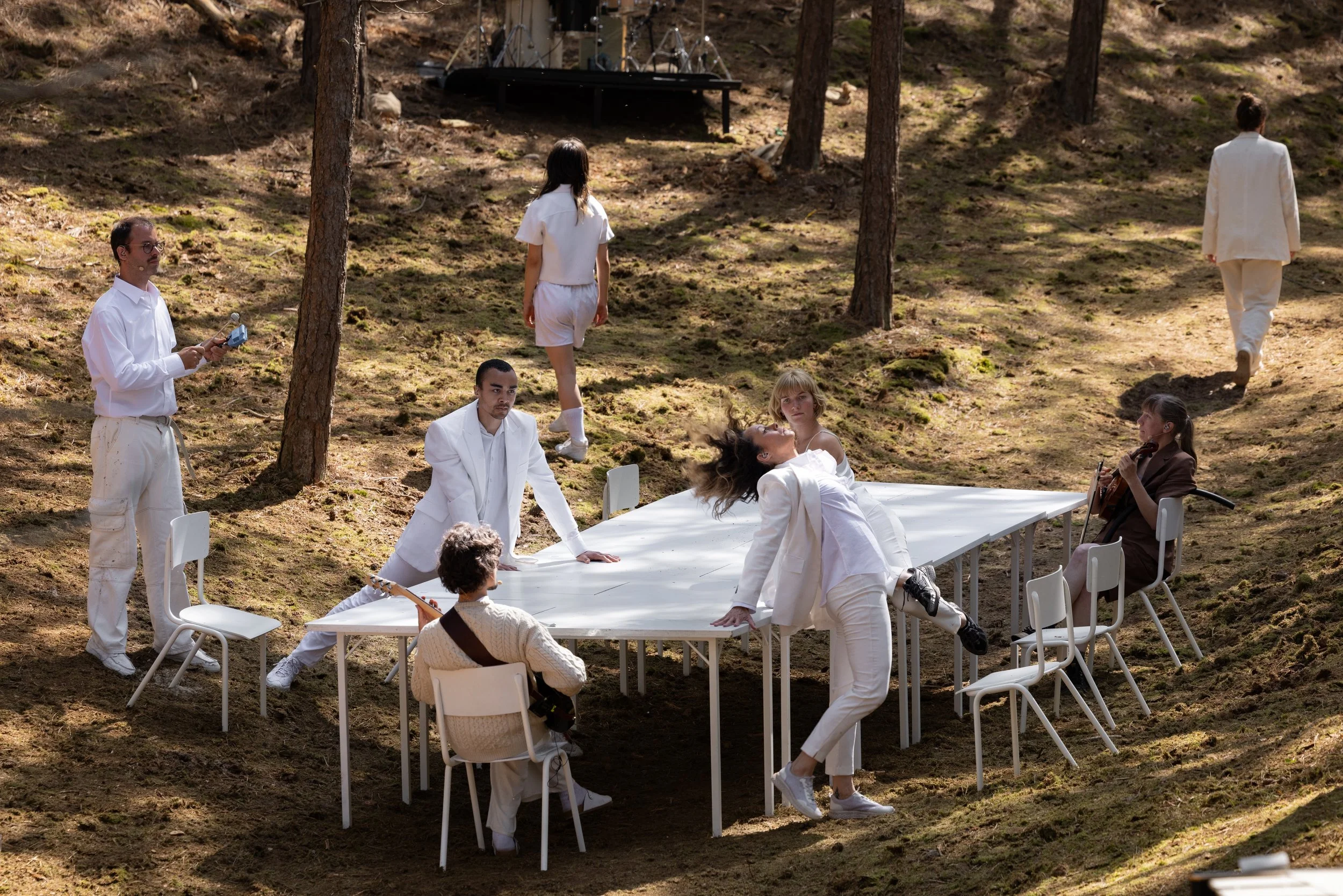
A searing music theatre production about family, loss and the devastating power of words spoken — and left unspoken.A family gathers for a celebratory dinner in honour of the grandfather’s 80th birthday. For the first time since the grandmother’s death, they are all sitting around the table together again. But what begins as a seemingly harmonious gathering soon turns into a suffocating confrontation. The emptiness she has left behind is palpable — not only in the empty chair at the head of the table, but in the way each of them desperately tries to find their place in the family again.
Beneath the surface, tensions are simmering. Conversations derail, old wounds are torn open and suppressed anger finally finds a way out. The family dynamic has been thrown off balance, and each family member fights for their own version of the truth. Words become knives; the table becomes a battlefield. But instead of truly listening to one another, they retreat into their online echo chambers — virtual shelters where their convictions are reinforced and their anger is fuelled. The gap between their digital personas and who they really are grows ever wider, causing misunderstandings to escalate even further.
WHEN DID YOU LEAVE? is a raw and compelling music theatre production that draws the audience into a suffocating family dinner from which there is no escape. Through razor-sharp dialogue, oppressive silences and a soundtrack that makes the tension almost tangible, the production exposes painful fault lines within both a family and society at large. What happens when language no longer connects us, but divides us? When we can no longer understand one another — how can we find our way back to each other?
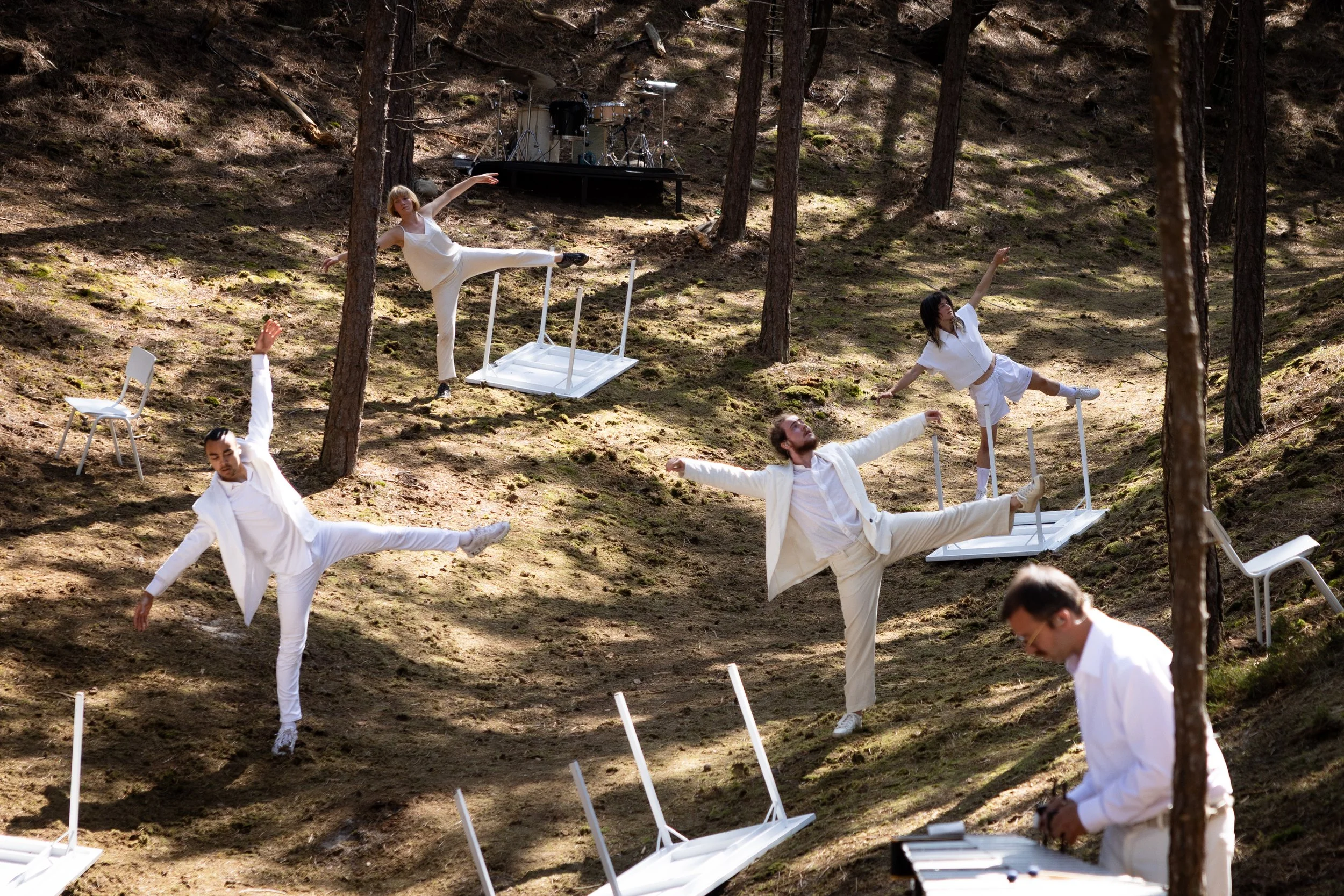
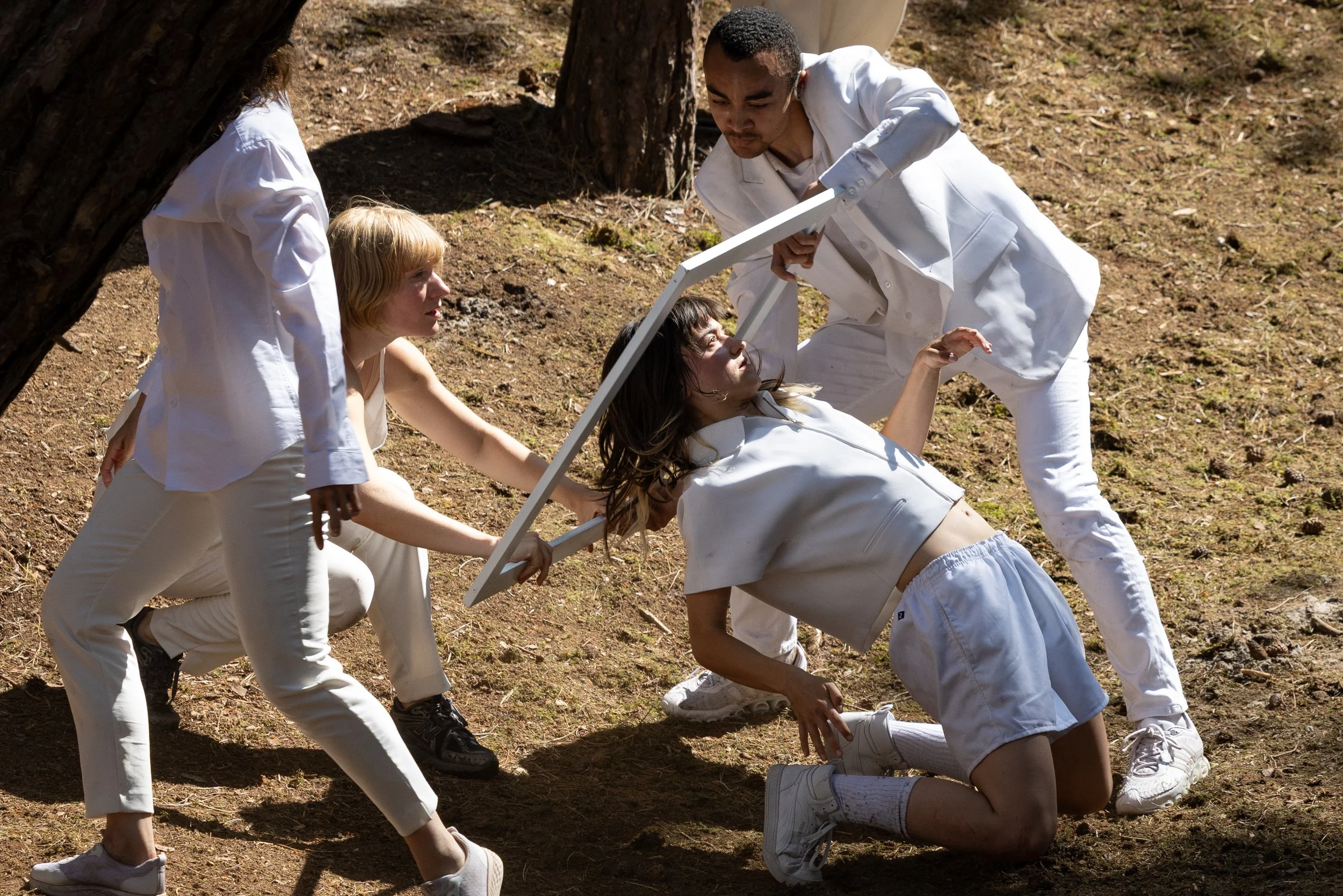
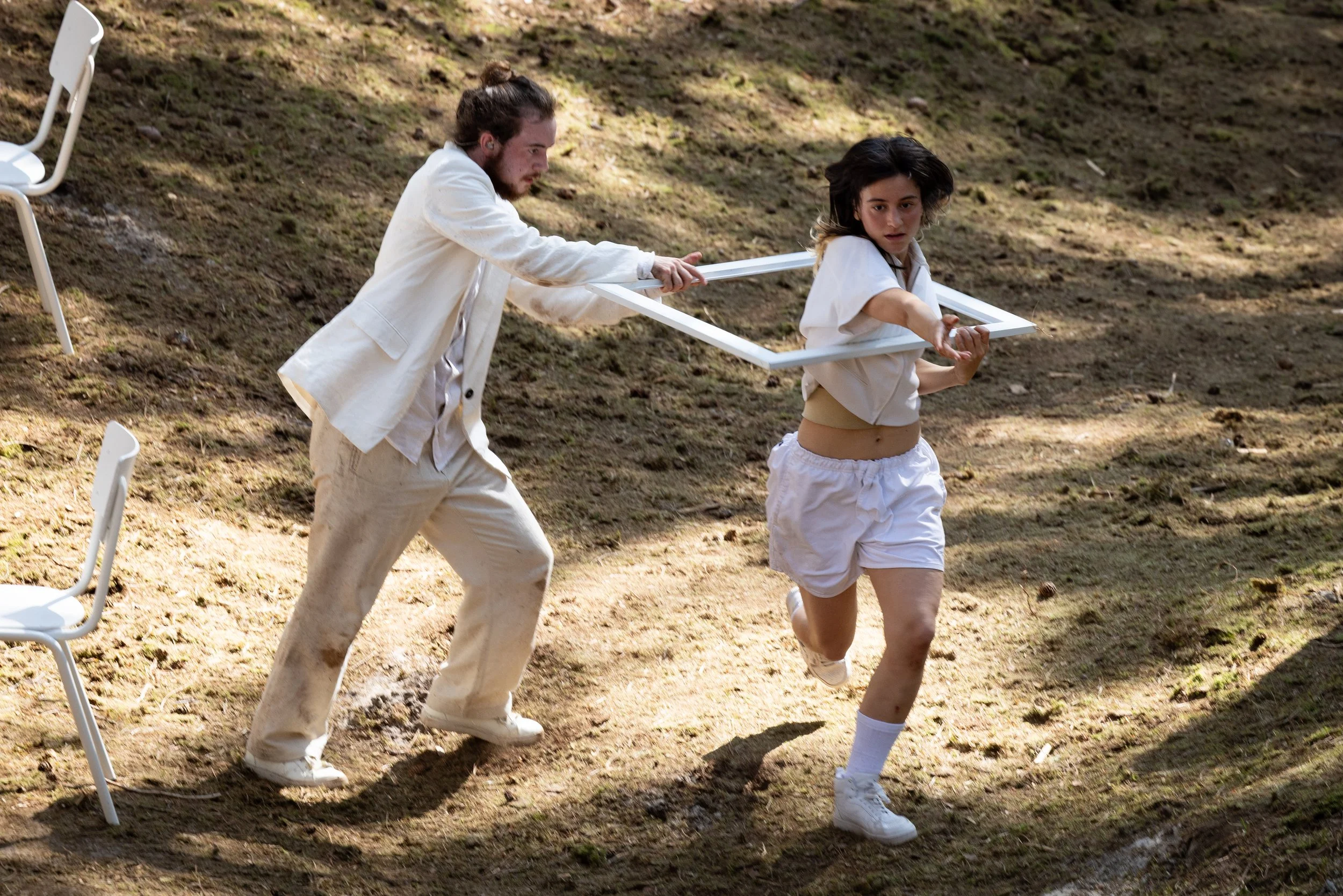
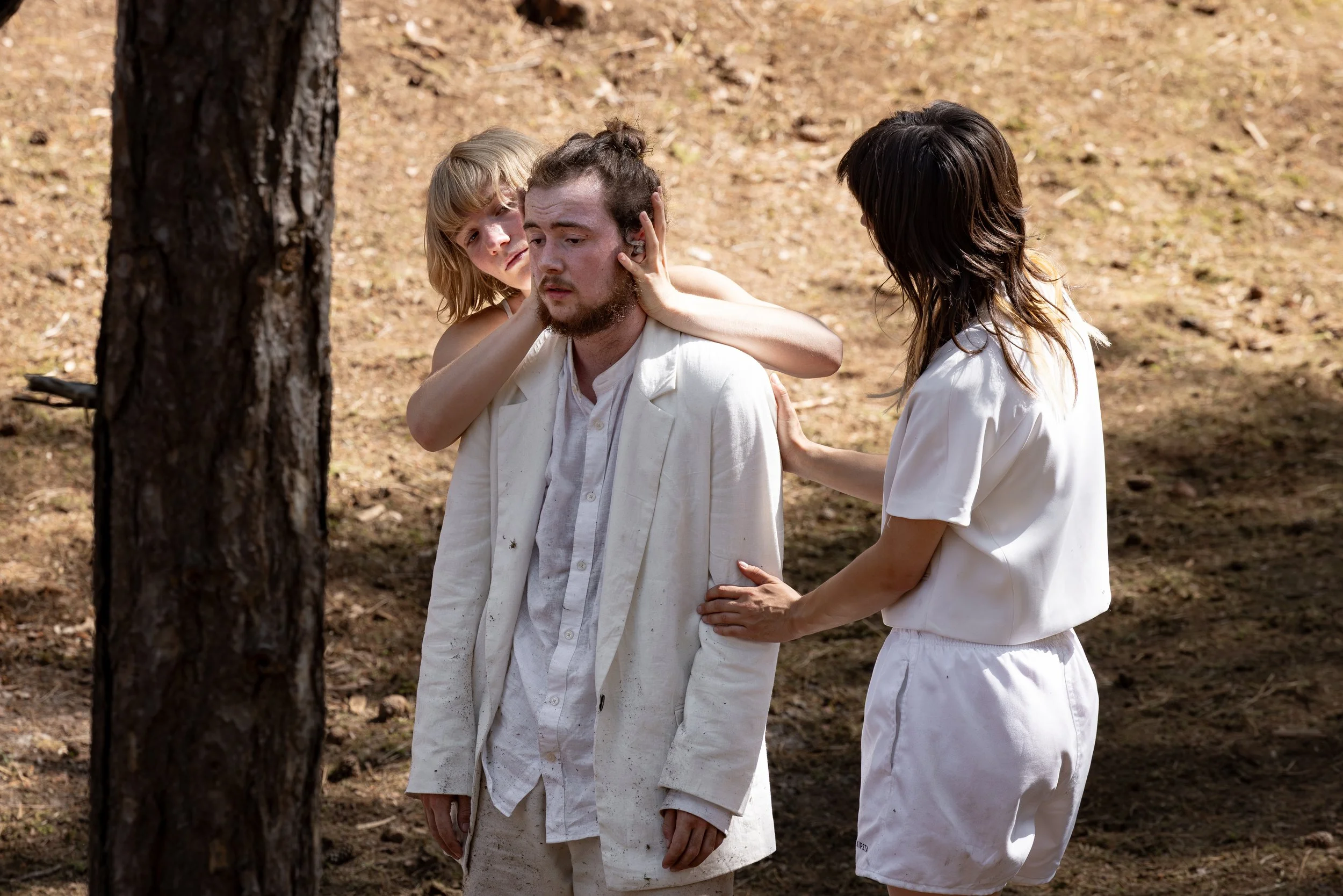
Where language fails, the body takes over. At first, there is resistance — bodies stiffen into old patterns, trapped in the pain and distance that words have left behind. The tension seems impossible to resolve, until the body begins to speak. Out of the chaos, a rhythm emerges: a movement that begins tentatively, reaching just one person, but gradually drawing more and more family members in. Not through words, not through opposing positions, but through a shared physical language, a new layer of connection emerges — a wordless conversation in which distance begins to soften, comfort becomes tangible and hope cautiously takes root among the moving bodies.
Urgency and Themes
One of the major social challenges of our time is finding ways to bridge our differences.
The urgency behind When Did You Leave? stems from both bewilderment at and curiosity about the polarisation and anger within our society. We live in a time when democratic values are under pressure from populism, fake news and increasing individualisation, while inequality continues to grow.
As our lives become increasingly digitalised and anonymous, people feel less and less seen. Isolated groups within society retreat into their own bubbles, each convinced that they are right. A growing group of citizens feels poorly connected — or no longer connected at all — to society and does not feel represented by it. They disengage. Some of them radicalise.
In When Did You Leave?, we investigate these processes of hardening and estrangement, as well as what it takes to bridge this growing divide and find our way back towards one another.Was specially created for the International Oerol theater festival 2025, where it was performed 19 times.
Research
Can Stories shift political views?
When Did You Leave? An immersive theatre experiment on populist radical-right narratives at the Oerol Festival 2025.
    WHEN DID YOU LEAVE? is created in collaboration with two major research projects on polarisation and masculinity funded by the Dutch Research Council (NWO). The findings from the research surrounding the production are used as a basis for artistic interventions within the European project Masculinities for the Future of European Democracy (MEN4DEM), of which Via Berlin is a partner.

THE FINDINGS from the research conducted during Oerol 2025 will be published in spring 2026, both in an accessible Dutch-language version for the general public and in an academic English-language publication. During Oerol 2026, we will also organise a live event to present and explain the findings and answer questions.

The findings from the research surrounding the production will also serve as a basis for artistic interventions within the European project Masculinities for the Future of European Democracy (MEN4DEM), of which Via Berlin is a partner.

MEN4DEM is a Horizon Europe-funded research project that builds bridges between society, art and science in order to explore new ways of making masculinities more inclusive and, in doing so, strengthening the future of European democracy. Through the international MEN4DEM project, we bring together gender-equality organisations, performance artists and a consortium of academic partners from the Netherlands, Germany, Sweden, Poland, Greece and Italy. Through intensive collaboration, we create and exchange different forms of knowledge. Together, we develop and test approaches to transforming anti-democratic forms of masculinity into more inclusive ones. Credits
Concept – Dagmar Slagmolen en Matthijs Roodijn
Direction / Choreography – Dagmar Slagmolen, Pim Veulings
Text – Basak Layic, Simone van der Steen
Voice / Performance – Dagmar Slagmolen
Music / Performance – Ponga: Remco Menting (percussion), Timon Koomen (guitar) and Yanna Pelser (viola, vocals, percussion)
Dance / Performance – Yanaika Holle, Gino Jay Telbaum, Boris Boes, Cézanne Penders, Lien Vandenborne
Set Design – Michiel Voet
Costume Design – Dieuweke van Reij
Digital Creator – Jeroen Janssen
Sound Design & Technical Production – Robert van Delft
On-Site Technician – AJ ten Napel
Technical Pre-production, Set-up & Strike – HP Hulscher
Production – Roosje Klompenhouwer
Marketing Strategist – Henriette van Eckeveld
Researchers – Matthijs Rooduijn, Liza Mügge, Carla Roos, Tom van Laer, Gijs Schumacher, Bert Bakker, Honorata Mazepus, Daniel Komáromy, Tomek Besta
Research Manager – Piotr Breedveld
MEN4DEM Postdoctoral Researcher – Nik Linders
Partners
University of Amsterdam / Hot Politics Lab, led by Matthijs Rooduijn | Department of Political Science
University of Amsterdam / Politics of Diversity, led by Liza Mügge | Department of Political Science
MEN4DEM – a three-year European research project involving six European universities from the Netherlands, Germany, Sweden, Poland, Italy and Greece, led by Liza Mügge of the University of Amsterdam.